
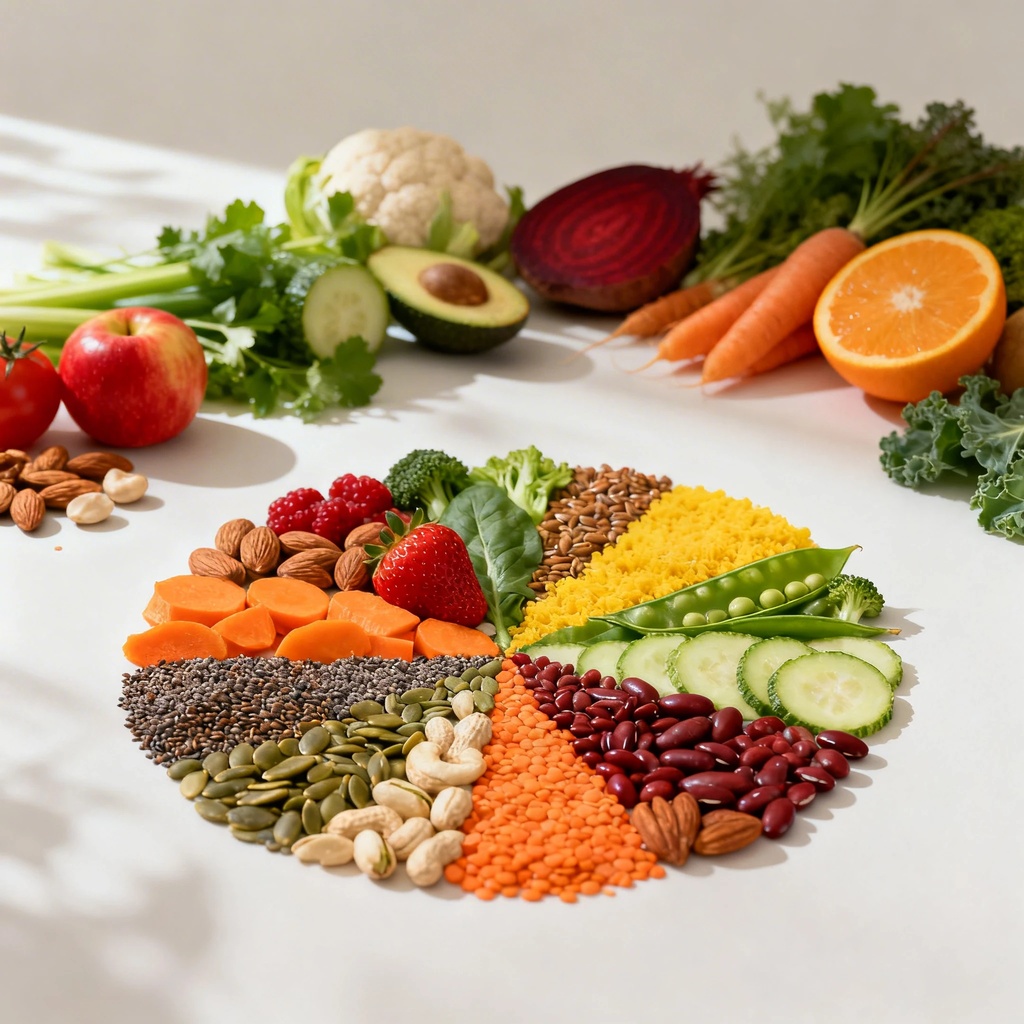
It’s a uniquely frustrating experience: you’ve committed to a balanced diet, filled with colorful salads and lean proteins, yet your hair feels finer, less voluminous, and seems to be thinning. You’re not alone. A growing conversation among health-conscious women reveals a critical oversight in most “best foods for hair growth” lists—they miss why a seemingly healthy diet might still leave your hair lacking. The issue isn't just about eating the right foods; it's about absorption, nutrient synergy, and addressing the specific gaps that can persist even in a clean diet. This article moves beyond generic lists to focus on the practical food protocols, strategic combinations, and realistic timelines that can help you achieve thicker, fuller hair, especially when you’re already eating well but seeing no change.
Why Hair Thins Despite Healthy Eating
A well-rounded diet is an excellent foundation, but it doesn't automatically guarantee optimal nutrition for your hair follicles. Hair thinning in healthy eaters often stems from subtle nutrient deficiencies or imbalances that a standard "healthy" plate doesn't address. You might be eating plenty of leafy greens but missing the type of iron your body can readily use, or consuming enough protein but at intervals too sparse to support continuous hair growth. For busy women, chronic stress is a major factor; it can deplete key nutrients like B vitamins and zinc at an accelerated rate, redirecting them away from hair growth—a non-essential process in your body’s survival hierarchy. This explains the common, vexing complaint of thinner hair even though I eat healthy. The problem often lies not in the quality of your food, but in its bioavailability and your body’s ability to absorb and utilize those nutrients under pressure.

Common Nutrient Gaps in Clean Eaters
Even the most conscientious diets can have blind spots. The most frequent culprits behind lackluster hair density are iron, omega-3 fatty acids, consistently bioavailable protein, and zinc. For instance, vegetarians and vegans consuming plenty of non-heme iron from plants may still be deficient if they aren't pairing those foods with vitamin C to boost absorption. Similarly, diets low in fatty fish, walnuts, or flaxseeds can lead to an omega-3 deficit, impacting scalp health and the strength of each hair shaft. Furthermore, if your protein intake isn't consistent throughout the day, your body may not allocate enough amino acids for keratin production, prioritizing other functions instead. Recognizing these specific gaps is the first step toward a more targeted, effective dietary strategy for hair health.
The Absorption Barrier for Vegetarians and Vegans
This is a critical point often overlooked. A diet rich in spinach, lentils, and tofu provides iron and protein, but the form matters. Plant-based (non-heme) iron is inherently less absorbable than the heme iron found in animal products. Without strategic pairing, much of it passes through unused. This is a primary reason why queries like iron rich foods for hair growth not working are so common. The same principle can apply to zinc and even some proteins. The solution isn't to abandon a plant-based diet but to master the art of nutrient pairing to overcome these natural absorption barriers.
Key Nutrients for Thicker Hair and How They Work
To move beyond guesswork, focus on nutrients with direct, scientifically-supported roles in the hair growth cycle. It’s not about adding random “superfoods,” but ensuring a steady supply of these key players. Let's delve deeper into how these nutrients interact to support hair health.
Iron is essential for red blood cells to carry oxygen to your hair follicles; a deficiency can prematurely shift follicles into a resting phase, leading to increased shedding. Protein, specifically amino acids like cysteine and methionine, is the literal building block of hair keratin—without it, growth slows or halts. Biotin supports the keratin infrastructure itself. Omega-3 fatty acids fight scalp inflammation, support follicle health, and add pliability and shine to the hair shaft. Zinc is crucial for DNA and RNA production, necessary for the rapid cell division that happens in active hair follicles. The magic, however, lies in synergy—these nutrients work best together, not in isolation.Iron and Protein: The Growth Foundation Synergy
Iron and protein form a critical, non-negotiable partnership. Adequate iron ensures follicles get the oxygen they need to function energetically, while consistent, high-quality protein provides the raw materials to build new hair strands. A lack of either can signal a "resource shortage" to your body, pushing hair follicles into a prolonged resting phase. This is why simply eating more spinach or more chicken alone might not yield results if the other component is lacking or poorly absorbed. They are the foundational duo for moving from a state of maintenance to a state of active growth. Vitamins for female hormonal health can also play a role in this process.
Biotin, Omega-3s, and Zinc: The Essential Support Crew
While iron and protein build the house, this trio ensures it’s a healthy, sturdy home. Biotin aids in the production of fatty acids that nourish the follicle. Omega-3s keep the scalp supple, hydrated, and calm, creating an optimal environment for growth. Zinc regulates the oil glands around follicles and supports tissue repair and growth. An imbalance here can lead to a dry, flaky scalp, brittle hair, and a sluggish growth phase. It’s not about megadosing on one nutrient but ensuring a steady, balanced supply of all from whole food sources.
Top Foods Packed with Hair-Boosting Nutrients
This list prioritizes bioavailability, nutrient density, and targeting the specific gaps healthy eaters often miss. These are the best foods for hair thickness and volume because they deliver multiple benefits in synergistic packages.
- Eggs: A true powerhouse, providing complete protein, biotin, zinc, and selenium. They offer the full spectrum of essential amino acids alongside the biotin needed to utilize that protein for hair structure.
- Fatty Fish (Salmon, Mackerel, Sardines): The premier source of anti-inflammatory omega-3s (EPA and DHA) and often vitamin D, which is linked to follicle stimulation. This directly addresses whether eating salmon helps with hair thickness—it does, by nourishing the follicle environment and reducing inflammation.
- Spinach & Dark Leafy Greens (Kale, Swiss Chard): Rich in non-heme iron, folate (vital for cell division), and vitamins A and C. The vitamin C within the greens themselves can help with the absorption of their own iron.
- Sweet Potatoes: Packed with beta-carotene, which the body converts to vitamin A. This vitamin is essential for sebum production to keep the scalp moisturized, though balance is key to avoid excess.
- Berries (Strawberries, Blueberries, Raspberries): Loaded with antioxidants like vitamin C, which protects follicles from free radical damage and significantly boosts iron absorption from plant foods eaten in the same meal.
- Nuts and Seeds: Almonds provide vitamin E and biotin; sunflower seeds are rich in zinc and vitamin E; flaxseeds and chia seeds are potent plant-based omega-3 sources. A small handful can deliver a concentrated nutrient punch.
- Lentils and Beans: Excellent sources of plant-based protein and iron, also providing zinc and some biotin. They are key for those following plant-based diets and wondering about iron rich foods for hair growth not working.
- Greek Yogurt: High in protein and often fortified with vitamin D. It also contains vitamin B5 (pantothenic acid), which is believed to support blood flow to the scalp and hair follicles.
These dietary adjustments can be a powerful tool for supporting hair health. Now, let's explore common mistakes that can hinder your progress.
Mistakes Sabotaging Your Hair Growth from Diet
Even with the right foods on your plate, common, easily-overlooked pitfalls can completely derail your progress toward thicker hair.
Poor Nutrient Timing and Pairing: Consuming iron-rich plant foods alongside coffee or tea (which contain tannins) can inhibit iron absorption by up to 70%. Skipping meals or going long periods without protein can signal a "famine" state to your body, making hair growth a low priority. Destructive Food Preparation: Overcooking vegetables can degrade sensitive, water-soluble vitamins like vitamin C and some B vitamins. Light steaming or eating raw is often better for preserving these nutrients. The Expectation of Immediate Change: Perhaps the biggest mistake is expecting visible results in weeks. Hair grows slowly, and dietary impacts are seen on new growth, not existing strands. Impatience can lead to abandoning a good strategy prematurely. Ignoring Overall Caloric and Macronutrient Intake: Very low-calorie or low-fat diets, even if packed with veggies, can deprive the body of the energy and essential fatty acids needed to sustain the energy-intensive process of hair growth.How to Strategically Pair Foods for Maximum Absorption
This is the actionable, game-changing step most articles omit. To combat poor absorption, you must become a strategic meal composer.
Scientific Evidence
These intentional absorption-optimized food combos transform a healthy diet into a bioavailable one, ensuring the nutrients you consume are actually being used to support hair follicle function. testosterone booster safe if I have prediabetes and family history of heart disease can also be a consideration for some.
| Approach | Best For | Timeline for Noticeable Change | Key Consideration |
|---|---|---|---|
| Diet Optimization & Food Synergy | Those with generally good health who suspect minor nutrient gaps or poor absorption. Individuals who prefer **natural foods to make hair fuller** over supplements. | 3-6 months for visible new growth and improved density. | Requires knowledge of nutrient pairing and consistent daily application. Patience is essential as it works with the natural hair cycle. |
| Targeted Supplementation | Individuals with confirmed deficiencies (e.g., low ferritin/iron), dietary restrictions, or high stress levels depleting nutrients faster than diet can replenish. | May see reduced shedding in 1-3 months; full effects on growth in 4-6 months. | Risk of over-supplementation (e.g., zinc, vitamin A). Blood work and professional guidance are strongly recommended before starting. |
| Combined Diet & Lifestyle Protocol | Busy individuals experiencing thinning likely tied to stress, sleep, and diet. Addresses the whole picture. | 3-6 months, but may feel overall improvements in hair strength and shedding sooner. | Most comprehensive approach. Involves managing stress, improving sleep, and dietary changes simultaneously. Sustainable but requires commitment. |
| Medical Evaluation & Treatment | Anyone experiencing sudden, severe, or patchy hair loss, or who sees no improvement after 6-12 months of diligent dietary effort. | Varies greatly based on underlying condition (thyroid, PCOS, alopecia). | Essential to rule out or treat medical causes. Diet supports treatment but is rarely a standalone cure for significant hormonal or autoimmune-related hair loss. |
Realistic Timelines for Thicker Hair
Managing expectations is crucial to avoid frustration and abandonment of a good plan. After addressing dietary gaps with strategic pairings, you may notice reduced daily shedding within 1-3 months as your follicles become better nourished and exit the resting phase. However, visibly thicker, fuller hair in terms of new growth and increased scalp coverage typically follows the natural hair growth cycle, taking a solid 3 to 6 months of consistent effort. This is because the hair you see today began growing months ago. You are essentially nourishing the new hair that will emerge in the future. Consistency is the non-negotiable key—this is a marathon, not a sprint.
The 3-6 Month Growth Cycle Protocol
Understanding the biology helps with patience. Hair grows in cycles: a long growth phase (anagen), a short transition phase (catagen), and a resting phase (telogen) before the strand falls out. Dietary improvements primarily affect hairs in the growth phase. Since this phase lasts 2-6 years, it takes time for the positive changes in follicle health to manifest as a longer, thicker strand you can see. Committing to a 90-day (3-month) minimum protocol is essential to even begin evaluating results, with more significant density often appearing around the 6-month mark. why do men feel tired all the time after 30 can also impact hair health.
7-Day Meal Plan Framework for Fuller Hair
This plan integrates the key foods and pairing principles into a realistic, busy lifestyle. It’s a flexible framework designed to ensure a steady stream of hair-supportive nutrients.
General Daily Principles:- Breakfast: Focus on protein and good fats to start the day. Examples: Greek yogurt with berries and a tablespoon of ground flaxseeds; or scrambled eggs with spinach and tomatoes.
- Lunch: Build around a lean protein and colorful, varied vegetables. Examples: A large salad with grilled salmon, mixed greens, bell peppers, and a lemon-tahini dressing; or a hearty lentil and vegetable soup with a side of orange slices.
- Dinner: Incorporate a lean protein, a complex carbohydrate, and cooked dark greens. Examples: Grilled chicken breast with quinoa and sautéed kale with a squeeze of lemon; or a black bean and sweet potato chili topped with avocado.
- Snacks: Think nutrient-dense bridges between meals. A handful of almonds and sunflower seeds; apple slices with almond butter; or a small smoothie with Greek yogurt, spinach, and frozen berries.
The goal is to include at least two hair-supportive foods from our list in every meal, creating multiple opportunities for nutrient synergy throughout the day. This consistent, layered approach is far more effective than relying on one "magic" food.
Prioritizing these foods and strategies can significantly improve hair thickness and volume. But it's also important to be aware of potential pitfalls and safety considerations.
Pitfalls, Safety, and When to Consult a Professional
While focusing on foods to eat for thicker fuller hair, it’s vital to navigate this journey safely and effectively.
Avoiding Vitamin A Overload: Excessive intake of pre-formed vitamin A (retinol), often from supplements or consuming large amounts of liver, can paradoxically contribute to hair loss. It’s safest to get your vitamin A from beta-carotene in colorful vegetables like sweet potatoes and carrots, as the body only converts what it needs. The Supplement Caution: More is not always better. High doses of isolated nutrients like zinc, selenium, or even biotin can have adverse effects and may disrupt the balance of other nutrients. The "food-first" approach is the safest starting point. Before adding supplements, especially for foods for thicker hair women over 30 who may have other health considerations, a discussion with a healthcare provider is wise. When to Seek a Specialist: Diet is powerful, but it’s not a panacea. Consult a doctor or dermatologist if you experience sudden, severe hair loss (clumps), patchy bald spots (alopecia areata), significant scalp itching or pain, or if you have underlying conditions like thyroid disorders, PCOS, or unexplained fatigue alongside hair thinning. These could signal medical conditions requiring specific diagnostic tests and treatment plans. The Molecular Anatomy of Mouse Skin during Hair Growth and Rest provides insights into the complex processes involved in hair growth.Frequently Asked Questions
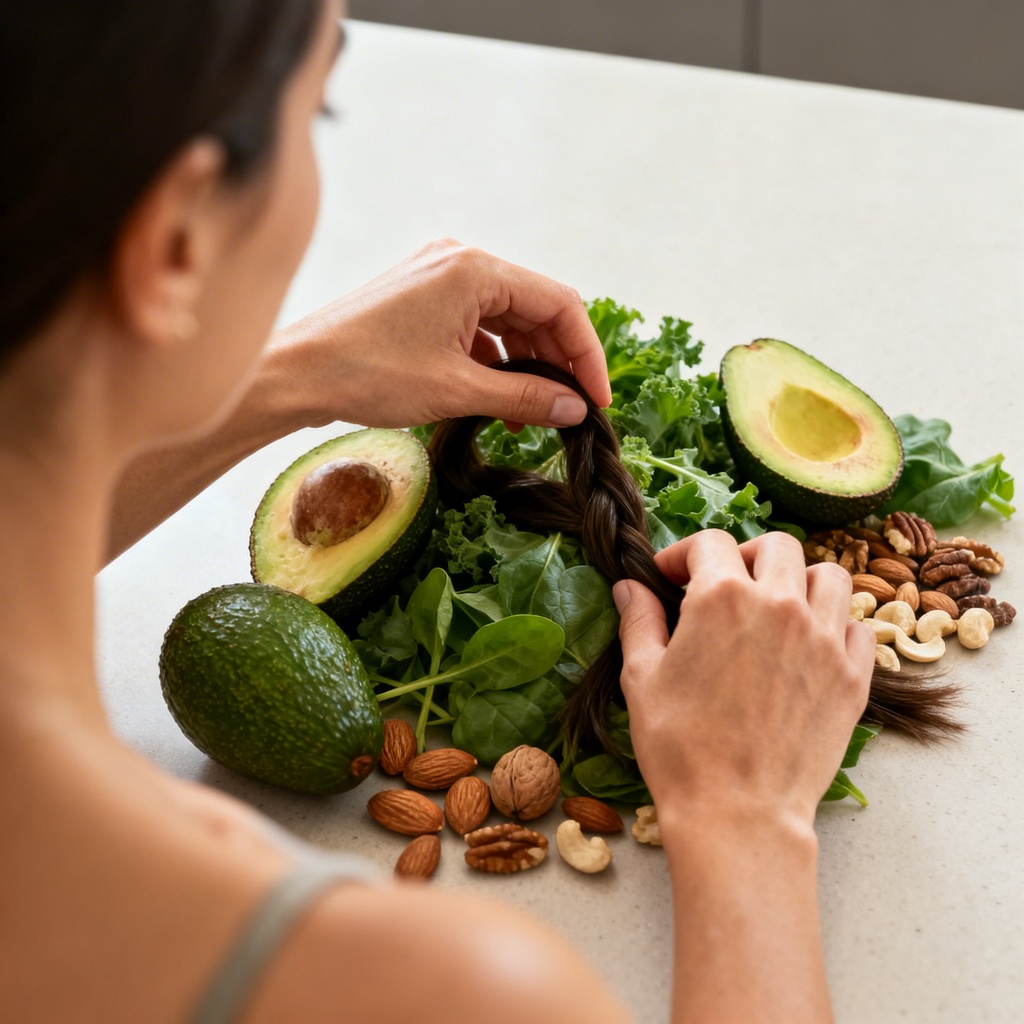
You may notice less hair shedding within 1-3 months as your follicles become better nourished and more hairs stay in the growth phase. However, visibly thicker, fuller hair in terms of new growth and increased density typically takes 3-6 months of consistent dietary changes. This timeline aligns with the natural hair growth cycle, so patience and consistency are essential.
I'm vegetarian and eat well. Why aren't my iron-rich foods working for my hair?This is a common issue. The iron in plants (non-heme iron) is less easily absorbed than the iron from animal sources. The key is to pair your iron-rich foods (like lentils, spinach, or beans) with a source of vitamin C (like citrus, bell peppers, or tomatoes) in the same meal to boost absorption significantly. Also, avoid drinking coffee or tea with these meals, as tannins can block iron uptake.
Can I overdo it with hair-healthy foods and cause problems?It's very difficult to overdose on nutrients from whole foods alone. However, be cautious with supplementation. High doses of isolated nutrients like zinc, vitamin A (retinol), or even selenium can have adverse effects, including hair loss. The safest approach is to get your nutrients from a varied diet rich in the foods listed, rather than relying on high-potency supplements without medical guidance.
Are there specific foods I should avoid if my hair is thinning?There's no single "bad" food that causes thinning, but diets consistently high in processed sugars, refined carbs, and unhealthy trans fats can promote systemic inflammation, which may negatively impact follicle health. For some individuals, very restrictive dieting or sudden, severe calorie restriction can trigger temporary hair loss (telogen effluvium). Focus on adding nutrient-dense, anti-inflammatory omega 3 foods for hair density and others from our list, rather than creating a restrictive "avoid" list.
Is this approach suitable for women in perimenopause or menopause experiencing hair thinning?Absolutely. The hormonal shifts during this life stage can make hair follicles more sensitive to nutrient levels. Ensuring optimal intake of protein, iron, omega-3s, and antioxidants through diet is a foundational and safe strategy to support hair health. However, because hormonal changes are a primary driver, combining this nutritional approach with a consultation with a healthcare provider to explore all contributing factors is often the most effective path.
📌 Love this guide? Save it on Pinterest!
Pin Thicker Hair in 2026: Foods That Work Even If You Eat Healthy to your board so you can come back to it later.

