

If you’re already eating well, exercising, and prioritizing sleep, but still find yourself hitting a wall of afternoon fatigue or struggling with mental fog during long workdays, you’re not alone. In online communities focused on longevity and supplements, there’s a growing conversation among dedicated desk workers and athletes who are asking a pointed question: do NAD boosters actually do anything for people who already have their fundamentals in place? The marketing hype is loud, promising miraculous anti-aging and boundless energy. But for the healthy-but-tired adult, the real need is for a plain-English explanation of what NAD truly does at a cellular level, what realistic benefits look like, and where the science ends and the speculation begins.
What Is NAD and Its Core Role in the Body
NAD, or nicotinamide adenine dinucleotide, is a fundamental coenzyme found in every single cell in your body, acting as an essential helper molecule for hundreds of biological processes. Think of it less as a fuel and more as a universal cellular courier; it shuttles electrons and energy from the food you eat to the cellular machinery that converts it into usable power. Its two forms, NAD+ and NADH, are in a constant, vital cycle. This role in anti aging and overall cellular health isn't about a single magic bullet action but about enabling the core functions that keep your cells running smoothly and resiliently. Without adequate NAD+, critical systems for energy, repair, and defense simply cannot operate at their best.
Cellular energy for demanding days.
 👉 Explore Natural Solutions
Support your body's natural energy production with targeted nutrients.
How NAD Powers Energy and Brain Function Daily
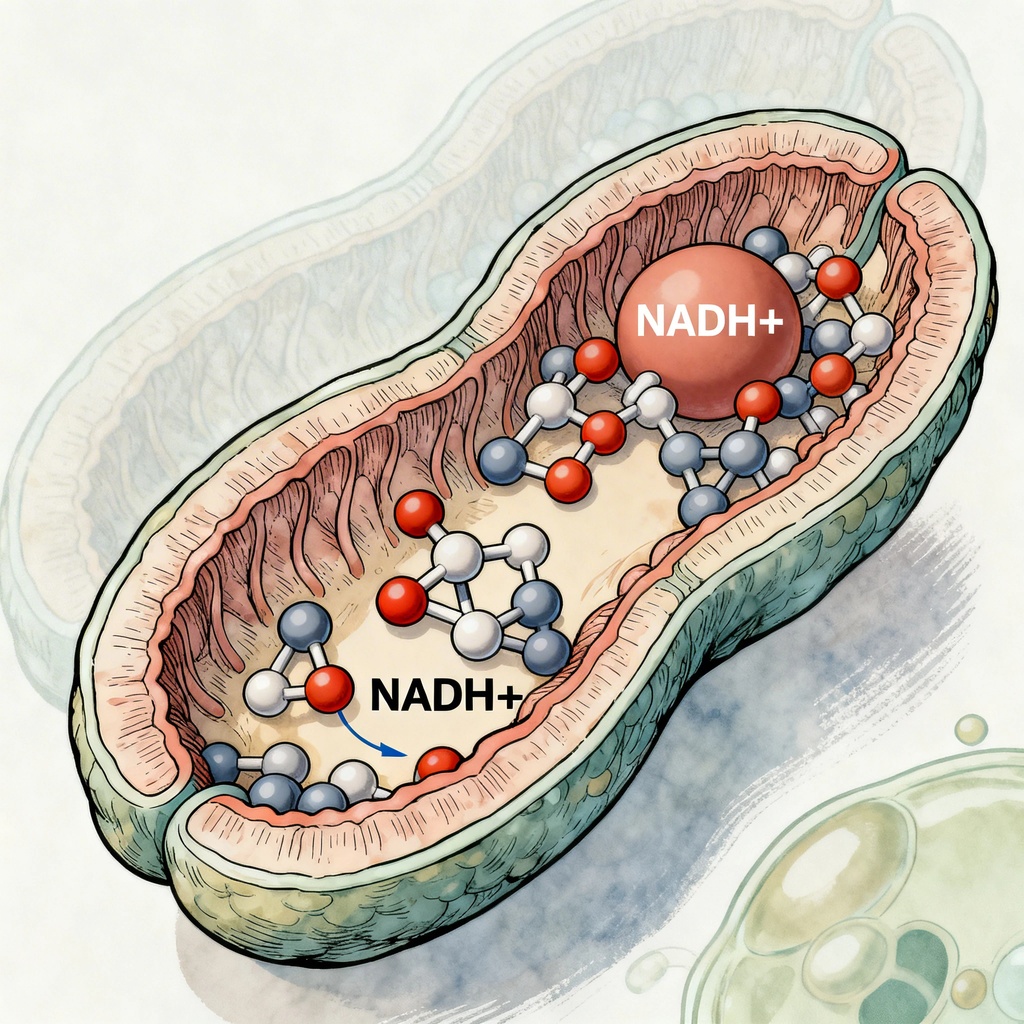
The link between NAD and daily energy is rooted in mitochondrial function. When you consume carbohydrates, fats, and proteins, they are broken down, and their electrons are passed, via NAD+, through the mitochondrial electron transport chain. This process literally generates ATP, your body's cellular energy currency. For the brain, which consumes a disproportionate amount of energy, efficient ATP production is foundational for focus, clarity, and cognitive stamina. Furthermore, NAD+ acts as a required fuel for sirtuins, a family of proteins involved in cellular maintenance. By activating sirtuins, NAD+ supports the health of neurons, the creation of new neural connections, and the brain's resilience to stress. This is the mechanistic basis behind reports of reduced brain fog—it’s not a stimulant effect, but a potential improvement in the underlying cellular energy and repair processes that support cognitive function. best supplements for healthy aging
The Mitochondrial Energy Cycle
How does NAD help with energy levels? It’s all about the NAD+ to NADH cycle. In your mitochondria, NAD+ accepts electrons during the breakdown of nutrients, becoming NADH. NADH then donates those electrons to the electron transport chain to produce ATP. The resulting NAD+ is then recycled back to start the process again. When NAD+ levels are low, this cycle sputters, and ATP production becomes less efficient, which can manifest as that deep-seated fatigue that coffee can't touch.Sirtuins and Mental Clarity
Beyond raw energy, sirtuins regulated by NAD+ play a key role in neuroprotection and synaptic plasticity. They help manage inflammation in the brain and support the function of mitochondria within neurons themselves. For someone experiencing mental fog during long cognitive tasks, optimal sirtuin activity, fueled by NAD+, may help maintain clearer, more sustained mental processing by ensuring these cellular housekeeping and repair tasks continue uninterrupted.
It's worth considering how these processes can be optimized. There are different approaches to supporting these pathways.
Optimize your body's repair system.
👉 Explore Natural Solutions
Fuel your body's natural repair processes for enhanced wellness.
Common Myths and Why NAD Might Not Work for You
A major myth is that NAD boosters are a direct, fast-acting energy supplement akin to caffeine. They are not; their effect is foundational and gradual, working on cellular infrastructure, not stimulating the nervous system. Another common misunderstanding is that they will dramatically reverse visible aging in someone young and healthy; the evidence does not support this. NAD might not work for you if you are very young (e.g., under 30) with robust natural production, if your fatigue is caused by untreated sleep apnea, significant nutrient deficiencies (like B12 or iron), or thyroid issues, or if you expect overnight results. Furthermore, some users on forums report building a tolerance to precursors, which often points to using a supplement as a standalone "fix" without addressing lifestyle factors that drain NAD+ in the first place, like chronic stress or poor sleep hygiene. If your fundamentals aren't solid, a supplement is unlikely to bridge the gap.
NAD's Limited Role in Aging and Repair
Aging is associated with a well-documented decline in NAD+ levels, which is thought to contribute to reduced mitochondrial function, increased cellular senescence (where cells stop dividing), and weaker DNA repair. Boosting NAD+ levels is hypothesized to support these systems, potentially slowing some aspects of the aging process. However, "support" is the key word—it is not a reversal. The repair processes, like those mediated by sirtuins and PARP enzymes, require NAD+ as a fuel to function optimally. Therefore, maintaining healthy NAD+ levels is about creating the optimal internal environment for your body's inherent repair mechanisms to work as designed as you age, not about introducing an external repair agent. The evidence is strongest for supporting function in aging systems, not for turning back the clock in a 40-year-old with no apparent issues. cortisol spike at 3am men
When Boosters Fail: The Young or Deficient-Untested
This is a critical content gap most articles ignore. A young, healthy individual with no significant physical or mental stress loads likely has a highly efficient NAD+ salvage pathway. Introducing a booster here may have negligible effects because there's no meaningful deficit to fill. Conversely, someone with a severe lifestyle-based drain (e.g., chronic sleep deprivation, alcoholism, very poor diet) may see little benefit because the root cause is consuming NAD+ faster than any supplement can reasonably replenish. The nad role in anti aging is most relevant in the context of an age-related or stress-related decline, not as a universal panacea.
Scientific Evidence
Realistic Benefits, Timelines, and Who Sees Results
So, what can a busy professional realistically expect? The most commonly reported benefits from clinical trials and anecdotal reports include a gradual improvement in sustained energy levels (not a sudden spike), better recovery from exercise, and enhanced mental clarity. These effects are typically noticed not in days, but over a period of 4 to 12 weeks of consistent use. The individuals who tend to report the most noticeable results are those in their 30s and beyond who are under significant mental or physical stress—the "healthy-but-tired" persona—despite good baseline health. A young, unstressed 25-year-old with perfect habits is less likely to perceive a dramatic difference. This sets the honest expectation that NAD supplementation enhances a solid foundation; it doesn't create one.
It's important to remember that NAD+ plays a role in various biological processes. One recent study highlights the potential applications of Nicotinamide Adenine Dinucleotide in aging biology Nicotinamide Adenine Dinucleotide in Aging Biology: Potential Applications and Many....
How to Use NAD Boosters in Your Routine Smartly
Smart integration means viewing NAD precursors like NMN or NR as one component of a system, not the system itself. Your routine should prioritize the activities that conserve and naturally boost NAD+: consistent, high-quality sleep (the #1 factor); regular exercise (especially strength training and high-intensity interval training, which have been shown to increase NAD+ levels); managing chronic stress through mindfulness or other techniques; and a diet rich in tryptophan and B vitamins (precursors to NAD+) from foods like poultry, fish, mushrooms, nuts, and seeds. Then, consider a supplement to fill the potential gap created by high demand or declining natural production. Timing matters—many take their dose in the morning to align with natural circadian rhythms and avoid potential interference with sleep. The goal is to create a synergistic loop where your lifestyle supports NAD+ levels and adequate NAD+ levels support your body's response to your lifestyle demands. where to buy testosil at the best price with guarantee
| Approach | Best For | Timeline for Noticeable Effect | Key Consideration |
|---|---|---|---|
| Lifestyle Optimization Only | Younger individuals (<30) with minimal stress, or anyone wanting to establish a baseline first. | 3-6 months of consistent habit change. | Focus on sleep, nutrient-dense diet, exercise, and stress management. This addresses root causes of NAD+ depletion and is foundational for any other approach. |
| Targeted Supplementation | Healthy adults 35+ experiencing stress-related fatigue, slower recovery, or brain fog despite good habits. | 4-12 weeks of consistent supplementation. | Precursors (NR/NMN) are tools to fill a gap, not substitutes for lifestyle. Start low, monitor tolerance, and pair with foundational habits. |
| Combined Protocol (Lifestyle + Supplement) | The "healthy-but-tired" professional or aging athlete seeking maximal cellular support for performance and recovery. | Energy/recovery benefits may be felt in 4-8 weeks; deeper cellular benefits are long-term. | Represents the most holistic strategy. Supplements enhance the benefits derived from a solid lifestyle, creating a positive feedback loop for cellular health. |
It's crucial to understand the safety aspects and proper usage of NAD boosters. Let's delve into some key considerations.
Safety, Dosing, and Lifestyle Integration
Is NAD safe long term? Current research on established precursors like nicotinamide riboside (NR) and nicotinamide mononucleotide (NMN) suggests a good safety profile in the medium term for most healthy adults. However, long-term data spanning decades is still being gathered. Common nad side effects from supplements are typically mild and can include temporary flushing, itching, or digestive discomfort, often related to starting with too high a dose. Starting with a lower dose (e.g., 150-300mg for NR) and assessing tolerance over a week is prudent. Dosing should be based on the specific precursor and individual factors like age and stress levels; there is no universal "best" dose, and more is not necessarily better. Crucially, safety and efficacy are enhanced when supplements are part of a routine that includes sleep, nutrition, and exercise, rather than a replacement for them. Individuals who are pregnant, breastfeeding, have active cancer, or severe kidney/liver disease should avoid supplementation unless under direct medical supervision.Clinical Evidence vs Marketing Claims
It’s vital to separate the compelling cellular science from the overblown marketing claims. Robust clinical studies in humans show that NAD+ precursors can reliably raise blood NAD+ levels. Some studies demonstrate improvements in vascular health, muscle function, and neurological metrics in older or less healthy populations. However, large-scale, long-term studies proving definitive anti-aging effects or dramatic life extension in already-healthy people are still ongoing. The marketing that claims NAD is a "fountain of youth" or directly "reverses aging" is extrapolating far beyond this evidence. The honest clinical context is that raising NAD+ is a promising, evidence-backed strategy for supporting cellular health, with more modest and variable real-world benefits than the hype often suggests. For the informed user, it's about prudent support, not miracle cures.
Frequently Asked Questions
A: Possibly, if your fatigue is linked to high cellular energy demand that outpaces your natural NAD+ production—a common scenario for stressed professionals and aging athletes. NAD supports the mitochondria's ability to produce ATP. For healthy-but-stressed adults, this can translate to more stable energy levels throughout the day, but it is not a stimulant. It's most effective when underlying issues like poor sleep or major deficiencies are already addressed.
Q: What are the main differences between NMN and NR?A: Both nicotinamide mononucleotide (NMN) and nicotinamide riboside (NR) are precursors that your body converts into NAD+. NR is a slightly smaller molecule and has more direct human safety and efficacy data from clinical trials. NMN is a direct precursor to NAD+ but requires an extra conversion step. The debate on which is more effective is ongoing, but both have been shown to raise NAD+ levels. The choice often comes down to product quality, personal tolerance, and cost.
Q: How long does it take to feel any effects from NAD boosters?A: Do not expect immediate effects. Most users report noticing subtle changes, such as improved recovery from workouts or reduced mental fog, within 4 to 6 weeks. More significant perceived benefits, particularly related to sustained energy and endurance, may take 8 to 12 weeks of consistent use, as they involve underlying cellular adaptations and replenishment of NAD+ pools.
Q: Are there any people who should avoid NAD supplements?A: Yes. Individuals who are pregnant, breastfeeding, or have active cancer should avoid NAD supplementation unless under direct medical supervision. Those with severe kidney or liver disease should also exercise caution and consult a doctor first, as the metabolism of these supplements could add strain. It's always wise to discuss new supplements with a healthcare provider if you have any chronic health conditions.
Q: Can I get enough NAD from food alone?A: You can get the building blocks (like tryptophan and vitamin B3/niacin) from foods like poultry, fish, mushrooms, nuts, and seeds. However, the amount of direct NAD+ from food is minimal. For young, healthy individuals with low stress, this is often sufficient. As we age or face high, sustained stress, the body's ability to convert these nutrients into NAD+ declines, which is where precursors in supplement form may provide a more direct and efficient pathway to support cellular levels.
📌 Love this guide? Save it on Pinterest!
Pin NAD+ Benefits 2026: Boost Energy & Repair Without the Hype to your board so you can come back to it later.

