

It was 3:17 PM on a Tuesday, and I was staring at a spreadsheet that might as well have been written in ancient Greek. My brain felt like it was packed in cotton wool. I’d done my morning meditation, eaten a lunch of quinoa and greens, and taken a brisk walk. I was ticking every box on the “healthy living” checklist. Yet, there I was, a 38-year-old working parent, wired-yet-exhausted, my thoughts moving through molasses. I remember the hot wave of frustration—not just tiredness, but a deep sense of unfairness. I’m doing everything right. Why do I feel so wrong?
I’d tried everything. More caffeine just made my hands shake while my mind stayed foggy. An earlier bedtime left me groggy and resentful of the lost hours. I’d dabbled in other adaptogens, but the promised “calm energy” never materialized. When a friend mentioned rhodiola adaptogenic herb, I dismissed it with an eye-roll. It sounded like just another wellness fad, another bottle destined to collect dust next to the chia seeds and maca powder. My burnout-driven brain fog felt too real, too stubborn, for a simple herb to fix. It was the kind of fatigue that made me forget why I walked into a room, lose my train of thought mid-sentence with my kids, and feel a low hum of anxiety about my own slipping competence.
But desperation is a powerful motivator. I was tired of feeling like a ghost in my own life, present but not there, especially for my family. So, with deep skepticism, I decided to give it one last shot. What I discovered wasn’t a magic pill, but something far more profound: a key that helped my body relearn how to handle stress, not just mask its symptoms.
Why I Still Felt Burned Out Despite Doing Everything Right
This was the most confusing and isolating part of my burnout. On paper, I was the picture of health. I exercised 4 times a week, ate clean 80% of the time, and meditated for 10 minutes each morning. Shouldn’t that be enough? I’d scroll through wellness blogs and feel a secret shame: What’s wrong with me that this isn’t working? The breakthrough came when I stopped thinking of burnout as a simple energy deficit and started seeing it as a system failure. My body’s stress-response system, the HPA axis (the hypothalamic-pituitary-adrenal axis), was stuck in the "on" position. It was like I was perpetually preparing to outrun a tiger, even while just answering emails or packing school lunches. This constant state of low-grade alarm was rewiring my brain and draining my cellular energy.
Reclaim your focus, naturally.
 👉 Explore Natural Solutions
Support your body's stress response for sustained mental clarity.
How Chronic Stress Rewires the HPA Axis and Creates Burnout
Think of your HPA axis as your body’s internal thermostat for stress. In a healthy system, stress comes, the thermostat kicks on (cortisol rises), you deal with the issue, and the thermostat dials back down. In chronic stress, the thermostat gets stuck on “high,” or worse, it burns out and can’t respond properly at all. My “wired-yet-exhausted” feeling was the classic sign of this dysregulation: my cortisol was likely high when it shouldn’t be (like at 3 PM or at night), and low when I needed it (like in the morning to get going). My healthy habits were like trying to cool down a house by opening windows while the furnace was still blasting.
Why Sleep, Exercise, and Diet Alone Don’t Always Clear Brain Fog
Sleep, diet, and exercise are foundational, but they can become mere maintenance when your underlying stress physiology is haywire. You’re patching holes in a boat while the engine is flooding. I was giving my body the raw materials for repair, but the repair crew was too overwhelmed by the constant “emergency” signals to do their job. The brain fog wasn’t a lack of sleep; it was my prefrontal cortex—the part of the brain for focus and decision-making—being deprioritized by a nervous system in survival mode. All resources were being diverted to “stay alert for danger,” leaving nothing for complex thought.
Perhaps you're also wondering testosterone booster safe if I have prediabetes and family history of heart disease.
When to Suspect Stress-Related Fatigue Rather Than a Medical Condition
I had to learn to listen to my body’s specific language. My fatigue was coupled with that edgy, irritable feeling (“wired”). It was worse after mental effort, not necessarily physical. It came with a sense of dread about simple tasks. This helped me distinguish it from, say, the fatigue of anemia (which for me, in the past, felt more purely physical and weak) or thyroid issues. Of course, checking with a doctor is non-negotiable to rule those out. But for me, and for many in our productivity-obsessed culture, the diagnosis was simpler and more insidious: my body had forgotten how to not be stressed.
How Rhodiola Adaptogenic Herb Actually Works Under the Hood
When I finally dug into the science, I realized why rhodiola adaptogenic herb felt different from the stimulants and other supplements I’d tried. It doesn’t give you energy like caffeine does. Instead, it helps your body manage energy and stress more efficiently. Think of it as a skilled conductor for your nervous system, not a louder instrument. For someone wondering does rhodiola adaptogenic herb help with burnout brain fog, the answer lies in this fundamental shift from addition to optimization. Let's explore how targeted support can complement your existing wellness efforts.
HPA-Axis Modulation and Cortisol-Awakening Response in Burnout
Its primary magic lies in HPA-axis modulation. In my burnt-out state, my cortisol rhythm was flat and dysfunctional—a dull roar all day instead of a healthy peak in the morning and a gentle decline. Research suggests rhodiola helps normalize that curve. It supports a robust cortisol-awakening response (that natural morning get-up-and-go), and then helps levels taper appropriately so you’re not buzzing with anxious energy at 11 PM. It’s not about suppressing cortisol; it’s about helping your body produce the right amount at the right time. This was the first clue I was on the right track: I started waking up feeling more alert, not just less groggy.
Mitochondrial Energy and ATP Support for Mental Endurance
The second key mechanism involves our cellular power plants: mitochondria. Chronic stress damages mitochondria and reduces ATP production—that’s the pure energy currency of our cells. Rhodiola adaptogenic herb has been shown to support mitochondrial function and protect them from stress-related damage. For my brain fog, this translated to my brain having better access to steady, clean-burning fuel for mental endurance. It wasn’t a sugar rush; it was like switching from a sputtering generator to a stable power grid. I could think for longer periods without that mental “wall” hitting me.
Beat burnout, restore your edge.
👉 Explore Natural Solutions
Find balance and resilience with targeted adaptogenic support.
Neurotransmitter Effects on Dopamine, Norepinephrine, and Mood
Finally, rhodiola gently influences key neurotransmitters. It helps prevent the breakdown of dopamine and norepinephrine in the brain. These aren’t just “feel-good” chemicals; they’re critical for motivation, attention, and the sense that tasks are manageable. This effect is subtle—you won’t feel a “high”—but over time, I noticed a lift in my baseline mood and a slight sharpening of focus. Challenges felt less daunting. This combination—balancing stress hormones, supporting cellular energy, and gently uplifting neurotransmitters—is why it addresses the root cause of burnout fatigue, not just the symptom.
If you're experiencing fatigue alongside other symptoms, you might also want to explore Why men suddenly gain belly fat after 40.
The Mistakes I Made When I First Tried Rhodiola Adaptogenic Herb
My first attempt was a total flop, and it’s exactly why I initially joined the chorus of people online asking rhodiola adaptogenic herb didn’t work for me why. I made all the classic errors, which created the perfect setup for disappointment.
Wrong Dose and Timing: Why 200 mg vs 400–600 mg Matters
I bought a bottle of 200 mg capsules from a generic brand. I took one, waited an hour, and felt… nothing. So, I wrote it off. I didn’t realize that for stress resilience and cognitive support, many clinical studies use doses in the 400–600 mg range of a standardized extract. I was essentially taking a homeopathic dose for a systemic problem. Furthermore, I took it sporadically—sometimes with breakfast, sometimes at 2 PM when I was crashing. This inconsistent timing gave my body no rhythm to follow and, when taken late, could potentially disrupt my already fragile sleep.
Choosing Non-Standardized Extracts and Poor-Quality Products
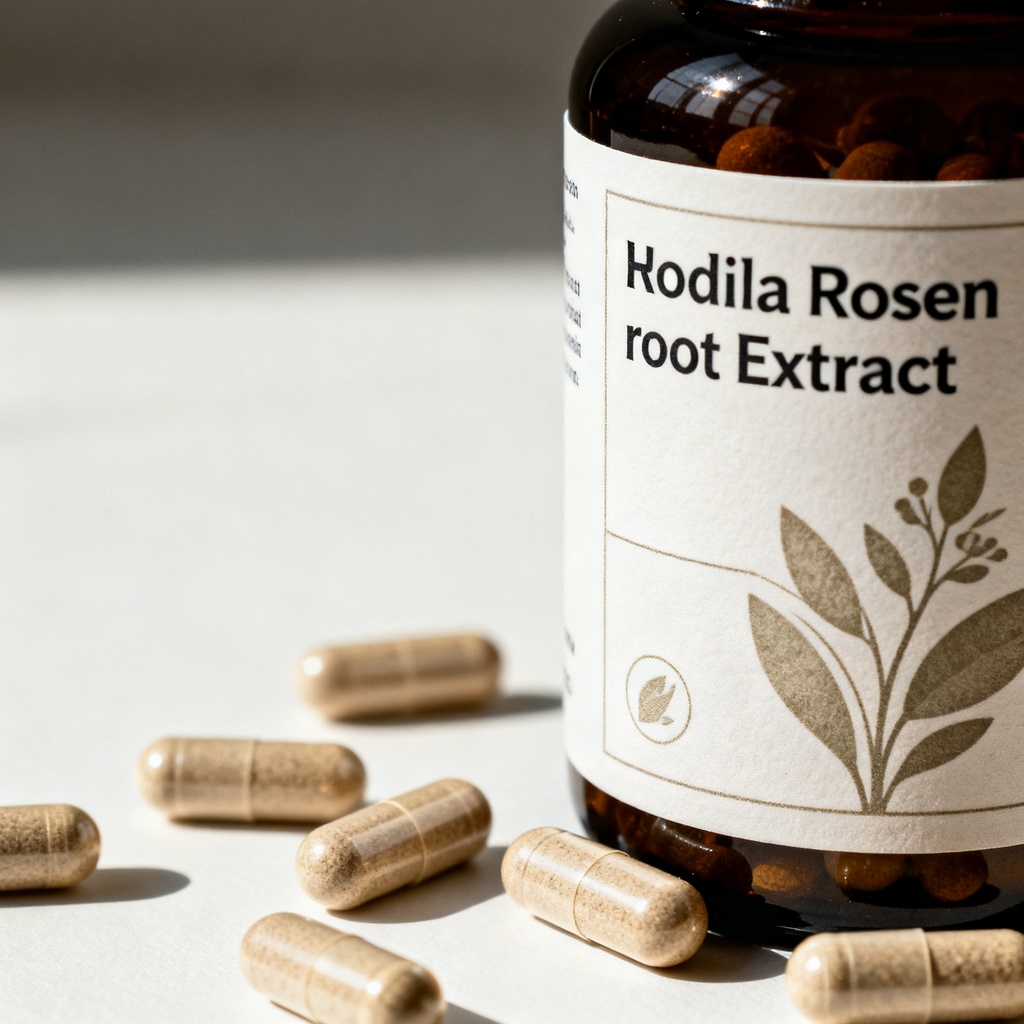
My bottle just said “Rhodiola Rosea Root Extract 200 mg.” There was no mention of standardization for the key active compounds: rosavins and salidroside. Potency in adaptogens varies wildly based on the part of the plant used, where it’s grown, and how it’s processed. Without standardization, you have no idea if you’re getting a therapeutically meaningful amount of the actives. I was likely taking filler. This is a critical, often-missed step that separates hype from results.
Expecting Instant ‘Nootropic-Like’ Focus Instead of Gradual Resilience
My biggest mistake was my expectation. After caffeine and other quick fixes, I wanted an instant “click”—a sudden clearing of the fog. I was looking for a sensation. Adaptogens don’t work that way. They work by training your stress response over weeks. They don’t blast through the fog; they slowly turn down the humidity so the fog can’t form. I was looking for a lightning bolt and missed the gradual sunrise.
| Approach | Best For | Realistic Timeline for Noticeable Shift | Key Consideration |
|---|---|---|---|
| Lifestyle Optimization Only (Sleep, Diet, Exercise) | Those with mild stress or wanting a foundational start | 8–12 weeks of consistent habit change | Essential, but may not be enough for entrenched burnout-driven brain fog |
| Lifestyle + Basic Adaptogen Protocol (Low/Inconsistent Dose) | People testing the waters with low commitment | Unpredictable; may feel nothing and lead to quitting | High risk of concluding "rhodiola adaptogenic herb is just placebo" |
| Lifestyle + Targeted Rhodiola Protocol (Standardized, Correct Dose/Timing) | Those with persistent wired-yet-exhausted fatigue ready for a consistent experiment | 10–21 days for initial subtle shifts; 4–6 weeks for stabilized resilience | Requires patience, quality sourcing, and letting go of "instant fix" expectations |
| Integrated Medical & Lifestyle Approach | Anyone with severe fatigue, underlying health conditions, or no improvement after 8 weeks of a good protocol | Varies widely based on diagnosis and treatment plan | Critical first step to rule out thyroid issues, anemia, sleep apnea, or other medical causes |
What Realistic Results Look Like After 2–4 Weeks
After my failed start, I reset. I sourced a high-quality extract standardized to 3% rosavins and 1% salidroside. I committed to 400 mg, first thing every morning on an empty stomach, for a full month. I kept a simple journal. Here’s what realistic results actually felt like—no hype, just honest observation.
Scientific Evidence
Subtle Shifts in Stress Tolerance and Mental Stamina
Around day 10, I didn’t “feel” a new energy. Instead, I noticed a lack of something: the usual frantic, overwhelmed feeling when my kids were bickering at breakfast didn’t spike. I handled it. That was the first clue. My mental stamina increased gradually. I could work for 90 minutes without the compulsive itch to check my phone or the heavy, resentful fatigue that usually followed. The work didn’t change, but my capacity to stay present with it did.
Changes in Brain Fog, Attention, and Reaction Time in Daily Tasks
The brain fog didn’t vanish in a poof. It lifted like a slow-rising curtain. By week 3, I realized I was recalling names and details in meetings without scrambling. My reaction time in conversations felt quicker; I wasn’t always a half-beat behind, searching for words. Driving felt less mentally taxing. These weren’t monumental changes, but they were the exact quality-of-life upgrades I was desperate for. It was proof my nervous system was recalibrating.
When to Pause or Stop Based on Side Effects or Lack of Benefit
I also learned to listen for side effects. For the first few days, I felt a very mild, almost imperceptible “buzz” that settled quickly. If it had been strong or anxious, I’d have lowered the dose. If after 4–6 weeks of consistent, correct use I’d felt absolutely nothing, I would have stopped. Rhodiola adaptogenic herb is worth it for stress and fatigue only if it’s the right tool for your unique biology. It’s not a universal panacea. The goal is subtle improvement, not a transformation. If you get no benefit, it’s okay to move on. It's important to remember that individual results can vary.
How I Fit Rhodiola Adaptogenic Herb Into My Real-Life Routine Now
This isn’t a standalone miracle. For me, rhodiola adaptogenic herb became the keystone habit that made all my other healthy habits more effective. It’s the supportive friend that helps you make the most of your own efforts.
You might also be struggling with why do I feel older than my age male.
Morning vs Afternoon Dosing for Energy Without Sleep Disruption
My routine is simple but non-negotiable: one 400 mg capsule with a large glass of water when I wake up, before coffee or food. Morning dosing is critical for me. It supports my daytime cortisol rhythm without any risk of evening wiredness. I never take it after 12 PM. This ensures it’s working with my body’s natural cycle, not against it. For those wondering how to use rhodiola adaptogenic herb for burnout without jitters, this early timing was the key.
Stacking with Sleep Hygiene, Movement, and Nutrition for Burnout
I consciously “stack” it with my existing lifestyle. My morning meditation now seems to calm a system that’s already more balanced, not one in panic mode. My exercise fuels a body that’s recovering better because it’s not constantly flooded with stress hormones. The clean food nourishes cells that are operating more efficiently. Rhodiola didn’t replace these; it made them count for more. It turned my good habits from defensive maintenance into active repair.
Safety Checks: Who Should Avoid Rhodiola and When to See a Doctor
My journey taught me this isn’t for everyone, and that’s okay. If you have an autoimmune condition (it can be immunostimulating), are pregnant or breastfeeding, or are on specific medications (especially SSRIs/SNRIs, blood thinners, or diabetes drugs), you must talk to your doctor first. Rhodiola can interact. Most importantly, if your fatigue is severe, accompanied by unexplained pain, or feels fundamentally medical in nature, please see a healthcare provider. Rhodiola adaptogenic herb for working parents with brain fog is for stress-driven burnout, not a treatment for underlying medical conditions like thyroid disorders, anemia, or clinical depression. Distinguishing between the two is the first and most crucial step. Multi-target drugs for the treatment of cognitive impairment and fatigue in... may offer further insights.
The Mindset Shift That Made All the Difference
The final piece wasn’t in the supplement bottle; it was in my head. I had to let go of the idea of a “quick fix” for a problem that took years to create. Embracing rhodiola adaptogenic herb required a fundamental shift in how I measured progress.
I stopped asking, “Do I feel it working?” every hour. That question comes from a place of seeking a sensation, a drug-like effect. Instead, I started asking in the evenings, “Was today slightly more manageable?” This shift from seeking a buzz to tracking functionality was everything. Did I snap at my kids less? Did I transition between work tasks with less internal drama? Was the 3 PM slump a gentle dip instead of a cliff?
This mindset gave me compassion for myself. That brain fog wasn’t a personal failing or a lack of willpower. It was my body’s intelligent, if overzealous, response to chronic pressure—a system trying to protect me by shutting down non-essential functions (like complex thought) to survive perceived threat. Using an adaptogen became an act of partnership with my own physiology, a way to gently guide it back to safety and balance. It empowered me to move from being a victim of my stress to an active, compassionate participant in managing my resilience.
Frequently Asked Questions
A: Throw out the idea of “feeling it” like you feel caffeine. For stress resilience and brain fog, most people notice the first subtle shifts—like slightly better stress tolerance—after 10 14 days of consistent, correct use. The full, stabilizing adaptogenic effects where you realize your baseline has changed often solidify around the 3 4 week mark. This is why patience is non-negotiable. It’s a marathon, not a sprint.
Q: What should I look for when choosing a rhodiola supplement?A: Quality is everything. Look for a product label that specifies it’s standardized for rosavins (often 3% minimum) and salidroside (often around 1%). This guarantees potency of the key active compounds. Choose reputable brands that use third-party testing for purity and contaminants. The form (capsule, powder, liquid) is personal preference, but ensure the dose per serving is clear—for stress and cognitive support, clinical doses are typically in the 400-600 mg range of the extract.
Q: Can I take rhodiola if I’m already feeling wired and anxious?A: Proceed with caution and start low. Rhodiola is generally balancing, but in some sensitive individuals or at high doses, it can be mildly stimulating. If you’re prone to anxiety or are in a very “wired” state, start with a low dose (100-200 mg) in the morning and monitor closely. The goal is calm energy, not jitters. If it exacerbates that anxious, buzzy feeling, it may not be the right adaptogen for you at this time.
Q: How is rhodiola different from ashwagandha?A: Both are adaptogens, but they have different personalities. In my experience and from the research, ashwagandha is more of a “brake”—excellent for deep relaxation, lowering high cortisol, and supporting sleep. Rhodiola adaptogenic herb vs ashwagandha for energy is a common question: Rhodiola acts more like a “gas pedal” modulator, supporting daytime mental energy, focus, and fatigue from overwork. For my specific wired-yet-exhausted burnout brain fog, rhodiola’s energy-modulating effects were the better fit. Some people use ashwagandha at night and rhodiola in the morning.
Q: Do I need to take it forever?A: Not necessarily. Many people, myself included, use it in cycles. I take it consistently for 2-3 months during high-stress periods (like a big project at work), then take a 1-2 week break. This helps prevent your body from becoming accustomed to it. Listen to your body; it’s a tool for support during seasons of high demand, not a permanent crutch. The ultimate goal is to build your intrinsic resilience so you might not need it all the time.
📌 Love this guide? Save it on Pinterest!
Pin Rhodiola for Burnout Brain Fog: My 2026 Story of Finding Real Focus to your board so you can come back to it later.

