

I remember standing in front of the mirror at 16, tracing the angry red lines that had appeared seemingly overnight on my hips. They looked like lightning strikes—thin, jagged, and impossible to ignore. By 20, they’d faded to silver, but they never disappeared. For years, I hid them under high-waisted everything, convinced they were a flaw I needed to fix. At 34, after two kids and a lifetime of failed remedies—cocoa butter, vitamin E oil, even a $200 dermaroller—I was desperate. When I stumbled upon Skinception’s before-and-after photos, I felt that dangerous flutter of hope. What if this finally works? I maxed out my credit card on a 3-month supply, praying for a miracle.
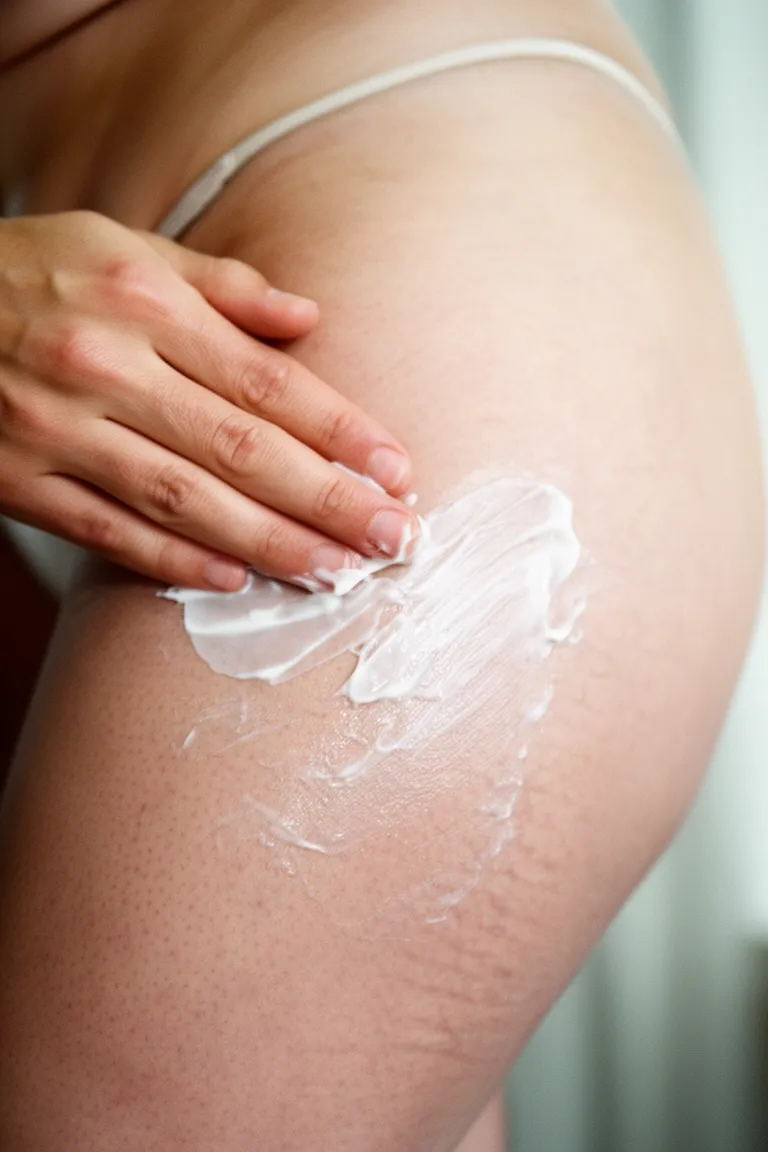
The package arrived in sleek, clinical packaging, promising "clinically proven results" and "dramatic improvement in stretch mark appearance." The instructions demanded religious application—twice daily, no skipping. I followed them to the letter, massaging the cream into my skin with the fervor of someone trying to rub away more than just marks. For the first few weeks, I’d scrutinize my reflection daily, convinced I saw a faint lightening. But by Week 6, the cracks in my optimism started to show. The cream was thick, oddly perfumed, and left a tacky residue that stuck to my clothes. Worse? My stretch marks looked... exactly the same.
My Lifelong Battle with Stretch Marks: Why I Was Desperate for a Solution
Stretch marks aren’t just skin-deep. They’re souvenirs of shame for so many of us—reminders of puberty, pregnancy, or weight changes we couldn’t control. Mine appeared during a growth spurt, back when my body felt like it belonged to someone else. I blamed myself: If only I’d moisturized more, exercised differently. By my 30s, I’d spent over $1,500 on treatments, each failure chipping away at my confidence.
The turning point came when a friend casually mentioned Skinception. The ads claimed it could "stimulate collagen" and "repair damaged skin." The before-and-after photos showed near-erased streaks. I knew better than to trust marketing, but the testimonials got to me—real women (or so they seemed) swearing it worked on old, stubborn marks. I was vulnerable, and Skinception knew it.
Unboxing the Hype: What Skinception Promised vs. My Initial Impressions
The Science (or Lack Thereof) Behind the Claims
Skinception’s website boasted a "proprietary blend" of peptides and botanicals. But when I dug deeper, the "clinical study" they cited was vague—no control group, no peer review. The hero ingredient, Regestril, claimed to "reduce stretch mark depth by 72%." Yet independent dermatologists I later consulted rolled their eyes. "Topical creams can’t rebuild torn dermis," one told me.
First Applications: Hope in a Jar
The cream itself felt luxurious at first—thick, slightly floral. I applied it meticulously, marking my calendar like it was a scientific experiment. For two weeks, I convinced myself the silvery lines looked softer. But was it the cream, or just the extra hydration? The placebo effect is real, and I was its perfect victim.
The 90-Day Experiment: My Week-by-Week Experience with Skinception
Weeks 1-4: The Placebo High
I took "before" photos under harsh lighting, determined to track progress. By Week 3, I swore the marks on my thighs looked less textured. My husband shrugged. "They look the same," he said gently. I dismissed him—he didn’t understand the agony of scrutinizing your own skin.
Weeks 5-8: The Doubt Creeps In
The cream’s stickiness became annoying. I’d wake up with it smeared on my sheets. More concerning? Zero change in my "after" photos. I emailed customer service, who blamed my "skin type" and urged me to keep going.
Weeks 9-12: The Hard Truth
By the final month, I’d given up photographing. The marks were unchanged. The cream’s scent, once pleasant, now smelled like expensive disappointment. I felt duped—not just by Skinception, but by my own hope.
Scientific Evidence
Beyond the Marketing: What I Learned About Stretch Mark Creams (and My Skin) After Skinception
The Cold Truth About Topical Treatments
Dermatologists confirm: no cream can "erase" stretch marks. At best, hydrating ingredients (like hyaluronic acid) can temporarily plump skin, making marks less noticeable. Collagen-building claims? "Marketing nonsense," says Dr. Lee, a board-certified dermatologist I consulted post-Skinception. "Once the dermis is torn, only procedures like laser or microneedling can remodel it."
It's a common struggle to find effective skincare solutions, and many women share similar experiences with products that promise much but deliver little. For those seeking to address other skin concerns, exploring options like my experience trying to smooth fine lines under eyes in my 40s can offer valuable insights.
The Emotional Cost of False Hope
Spending $179 on Skinception hurt less than the emotional crash when it failed. I’d pinned my self-worth on a cream, and its failure felt like mine. But here’s what I wish I’d known earlier: stretch marks are normal. Over 80% of people have them. The beauty industry profits by pathologizing them.
This journey highlights how often we chase external fixes for internal feelings. Sometimes, the most effective approach involves a shift in perspective, much like when I tried natural wrinkle remedies and they didn’t work, leading to a re-evaluation of what truly matters for skin health.
My Honest Take: Is Skinception Worth the Money, or Just Another Expensive Hope?
For me? No. The cream provided fleeting hydration, nothing more. If you’re considering it, know this: it might slightly improve very new, red stretch marks (thanks to moisture), but it won’t touch old ones. Save your money for treatments with real science behind them—or better yet, invest in self-acceptance. My stretch marks are part of my story. I’m done fighting them.
For those who are still exploring skincare options and want to understand the landscape of what works, understanding the best anti aging skincare routine can be a helpful starting point, even if it doesn't directly address stretch marks.
Frequently Asked Questions
Q: How long does it take to see results with Skinception? A: The company suggests 12 weeks, but in my experience, any "results" were placebo. By Week 8, it was clear nothing was changing.
Q: Are there side effects or drawbacks? A: No irritation, but the sticky residue was annoying. The bigger drawback? The emotional letdown when it didn’t work.
Q: Who might actually benefit from Skinception? A: Maybe someone with very new, red stretch marks (under 3 months old). For older marks, don’t bother.
Q: What mistakes do people make when using stretch mark creams? A: Over-applying (it won’t speed up results), skipping sunscreen (UV exposure worsens marks), and expecting miracles.
Q: Are there alternatives that actually work? A: Laser therapy and microneedling can improve appearance, but they’re pricey. For a budget option, try a basic moisturizer with ceramides—it won’t erase marks, but it’ll keep skin healthy.
Q: How do I fit Skinception into a routine if I still want to try it? A: Apply sparingly—a pea-sized amount per area. More isn’t better. Pair it with gentle exfoliation to help absorption, but temper expectations.
Q: Why didn’t Skinception work for me? A: Because no topical cream can repair torn dermis. If yours are older than 6 months, they’re likely permanent without professional treatment. And that’s okay.
For those interested in the scientific perspective on skin concerns, a review on Stretch marks during pregnancy: a review of topical prevention offers deeper insights into the efficacy of various treatments.
📌 Love this guide? Save it on Pinterest!
Pin My Skinception Stretch Mark Review 2026: Did It Really Work? to your board so you can come back to it later.

