

If you’re a man in your 40s or 50s who exercises regularly and eats clean, yet still battles a persistent lower belly pouch, you’re far from alone. A specific, growing frustration is echoing across online forums and communities: dedicated men are finding that disciplined dieting and cardio simply aren't touching that final layer of stubborn abdominal fat. This widespread experience signals a critical gap in mainstream advice, which often ignores the unique physiological shifts of midlife. The truth is, for men over 40, the old rules of "eat less, move more" become insufficient because the game itself has changed. The rising demand for answers is clear, with countless threads on platforms like Reddit and Quora where men express confusion over why diet works everywhere but the belly, highlighting a deep need for age-specific, hormonal explanations that current content fails to provide.
The Stubborn Lower Belly Fat Frustration
You’ve likely experienced the demoralizing cycle of tightening up your diet, increasing your cardio, and watching the scale drop, only to find your lower abdomen remains frustratingly unchanged. This is a common pattern where men see progress in their arms, chest, and face, but the belly fat won't budge even though they're eating clean and working out. It leads to the feeling that "nothing works for me," a sentiment echoed in high-engagement online complaints from men who have been dieting for months with no belly reduction. This isn't a failure of willpower or effort; it's a clear sign you're applying a universal solution to a problem that has become uniquely personal and physiological with age. The frustration of seeing no progress despite healthy habits is the catalyst for understanding that a new approach is required.

Hormonal Mechanisms Behind Visceral Fat
The primary reason diet alone fails after 40 is a fundamental and often silent shift in your hormonal landscape. While generic advice focuses on calories, it ignores the powerful role of age-related hormones like cortisol and declining testosterone, which directly influence where and how your body stores fat.
Cortisol and the Stress-Fat Loop
Cortisol, your body's primary stress hormone, is directly linked to the storage of visceral fat—the deep, biologically active fat that pads your abdomen and surrounds your organs. When you're under chronic stress, which is common in midlife due to career, family, and financial pressures, cortisol levels remain elevated. This hormone doesn't just encourage fat storage in the belly; it can also increase appetite and drive cravings for high-calorie, sugary foods, creating a self-perpetuating cycle that dieting alone cannot break.
The Impact of Declining Testosterone
From around age 30, testosterone levels in men begin a gradual, natural decline. This hormone is crucial for maintaining muscle mass, metabolic rate, and overall vitality. Lower testosterone makes it easier to gain fat, particularly in the abdominal region, and harder to build or retain the lean muscle that burns calories efficiently. This shift means your body's response to a calorie deficit is blunted; it may hold onto fat stores more stubbornly as a survival mechanism, which explains why sudden belly fat gain can occur after 40 despite maintaining gym and healthy meal routines.
For men experiencing these changes, it's worth exploring can i take testosterone booster if i have diabetes or heart condition.
Insulin Resistance's Role
With age, cells can become less sensitive to insulin, the hormone that regulates blood sugar. This insulin resistance makes it easier for the body to store calories as fat, especially in the visceral area. Even a "clean" diet can contribute if it's not managed with this hormonal reality in mind, leading to a scenario where you're eating right but your body isn't processing nutrients optimally.
It's time to consider solutions beyond the usual calorie counting. Many find that addressing stress directly can yield surprising benefits.
Midlife Stress Amplifying Belly Fat
Beyond the gym and the kitchen, life itself becomes a significant metabolic factor. The "stressed dad" or "career-pressured professional" scenario is not an anecdote; it's a physiological state with direct consequences. Chronic, low-grade stress from work, family dynamics, and financial responsibilities keeps the cortisol-belly fat loop actively engaged. Furthermore, sleep quality often deteriorates in this life stage due to stress or lifestyle, and poor sleep is a major driver of hormonal imbalance. It increases ghrelin (the hunger hormone), decreases leptin (the fullness hormone), and further elevates cortisol, creating a perfect storm that makes dietary discipline feel like an uphill battle. For the man who is healthy on paper but stressed in life, these factors are the invisible barriers no diet plan accounts for.
To understand more about the connection, read about Why does stress change the male body.
Why Calorie Cuts and Cardio Fail Here
Relying solely on creating a calorie deficit through severe diet restriction and steady-state cardio is a fundamentally flawed strategy for men over 40. This approach often backfires because it can signal to your already stressed, hormonally-shifting body that it's in a state of famine. The body responds by slowing down your metabolism to conserve energy, a process often exacerbated by the loss of metabolically active muscle tissue. This metabolic adaptation, combined with potential disruptions to testosterone and cortisol, leads to the all-too-common experience where initial weight loss stalls completely, replaced by fatigue and a loss of muscle rather than fat. It’s the core reason behind the search query "diet stopped working after 40" and the frustration with protocols that no longer deliver.
Lifestyle Factors Blocking Progress
Several interconnected lifestyle elements, often overlooked in generic fitness advice, actively work against your efforts to lose stubborn belly fat.
Sleep Disruption Impacts
Inconsistent or poor-quality sleep is a massive disruptor of the endocrine system. It elevates evening cortisol levels, increases ghrelin (driving hunger), and reduces the secretion of growth hormone and testosterone, which are essential for muscle repair, fat metabolism, and overall recovery. Prioritizing 7-8 hours of quality sleep is not a luxury; it's a non-negotiable component of metabolic health.
Chronic Stress Patterns
The pattern of constant, unmanaged stress is a primary driver of visceral fat accumulation. It's not just about "feeling stressed"; it's about your nervous system being in a prolonged state of "fight or flight," which directly instructs your body to store energy as abdominal fat for perceived future crises.
Emerging research, such as the study on how exercise combined with GLP-1 receptor agonists can reduce the severity of obesity, highlights the importance of a multi-faceted approach to managing weight and body composition. Combination of exercise and GLP-1 receptor agonist treatment reduces severity of...
Gut Health Connections
Emerging research suggests the gut microbiome plays a role in inflammation, insulin sensitivity, and fat storage. An imbalance in gut bacteria, which can be influenced by diet, stress, antibiotics, and age, may promote low-grade inflammation and make it easier to store visceral fat. Supporting gut health through a diverse, fiber-rich diet becomes another layer in a holistic approach.
Consider how small adjustments to your daily routine could make a big difference. There are strategies to help you regain control of your energy levels.
Scientific Evidence
Targeted Fixes Beyond Diet Restriction
To finally make progress on stubborn belly fat, you must move beyond simple diet restriction and adopt a multi-faceted protocol tailored to your midlife hormonal reality. The goal is to work with your body's physiology, not against it.
Strength Training Protocols
The single most effective tool is consistent, progressive resistance training. Lifting weights, with a focus on compound movements like squats, deadlifts, and presses, builds metabolically active muscle mass. This boosts your resting metabolic rate, improves insulin sensitivity, and can provide a natural stimulus for testosterone production. It reshapes your body into one that is more efficient at using nutrients for fuel and repair rather than storing them as fat.
Meal Timing and Composition Strategies
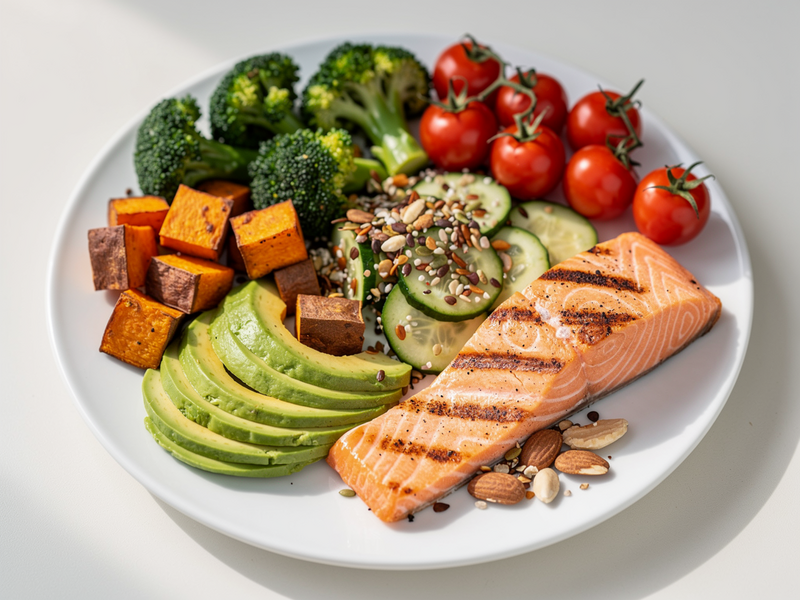
Instead of drastic, unsustainable calorie cuts, focus on nutrient density and strategic timing. Ensure each meal contains sufficient high-quality protein to support muscle protein synthesis and promote satiety. Consider incorporating fiber-rich vegetables and healthy fats to manage blood sugar and insulin response. For some, spacing meals (like a form of time-restricted eating) can be helpful, but it should not be so extreme that it triggers hunger, stress, or fatigue. The philosophy shifts from deprivation to nourishment.
Stress Reduction Routines
Actively managing stress transitions from a wellness suggestion to a core part of your fitness regimen. This doesn't require hours of meditation; it can include practices like 10 minutes of focused breathing, mindful walking in nature, or engaging in a hobby that promotes flow and relaxation. The objective is to regularly signal "safety" to your nervous system, thereby lowering chronic cortisol output and helping to unlock stored fat.
Discover How overworked men can restore their daily energy.
Evidence-Based Solutions for the "Stressed Dad" Scenario
A practical, integrated approach is required to address the unique challenges of the healthy but stressed man over 40. This isn't about adding more to your plate, but about strategically prioritizing what works.
First, re-prioritize your training: emphasize strength training 2-3 times per week over long, grueling cardio sessions. Second, protect your sleep with the same rigor you apply to your workouts—create a consistent bedtime routine and optimize your sleep environment. Third, weave short, daily stress-management practices into your existing routine. Finally, adjust your diet to emphasize whole foods, protein, and fiber while allowing for flexibility to avoid a punitive, stress-inducing relationship with food.
To help visualize the pathway forward, here is a comparison of different approaches to tackling this issue:
| Approach | Best For | Timeline | Key Consideration |
|---|---|---|---|
| Lifestyle & Behavior Focus | Men seeking natural, foundational change who are new to holistic health concepts. | 4-6 months for significant shifts | Requires consistency across diet, training, sleep, and stress management. Progress is steady but sustainable. |
| Targeted Training & Nutrition Protocol | Those already active and eating well but stuck, needing advanced programming. | 2-4 months for noticeable recomposition | Demands precise effort in the gym and kitchen. May require tracking macros or workouts. |
| Medical Evaluation & Potential Intervention | Men who have diligently tried comprehensive lifestyle changes with zero progress. | Varies based on findings | Involves consulting a doctor to check for clinical issues like hypothyroidism or very low testosterone (requiring TRT). |
Realistic Timelines and Safety
Setting appropriate expectations is crucial for long-term success and mental well-being. After 40, fat loss, especially from stubborn visceral areas, is a slower, more nuanced process driven by hormonal rebalancing. A safe and sustainable goal is a gradual reduction over several months, not weeks. Shift your focus from the scale to other markers of progress:
- How your clothes fit, particularly around the waist.
- Improvements in energy, mood, and sleep quality.
- Consistent increases in strength and endurance in the gym.
- Better management of daily stress.
If you have underlying health conditions like hypertension or diabetes, or if you see no progress after 3-4 months of a diligent, holistic approach, it is prudent to consult with a healthcare professional. They can check for potential contraindications or clinical issues that need addressing. This approach is about building lasting health, not just chasing a number on the scale.
Frequently Asked Questions
With a consistent focus on strength training, stress management, and quality sleep alongside a clean diet, you may begin to notice changes in how your clothes fit and your body composition within 6 to 8 weeks. Significant reduction of stubborn visceral fat is a longer process, often taking 4 to 6 months of dedicated effort. Patience and consistency are key, as the goal is sustainable hormonal and metabolic change, not rapid water weight loss.
Is it safe to focus on hormonal fixes if I'm over 40 and generally healthy?Absolutely. The core strategies discussed—like strength training, improving sleep, and managing stress—are foundational pillars of health for anyone, especially aging men. They are safe, natural ways to support your body's optimal function. It is always advised, however, to consult with your physician before making significant lifestyle changes, particularly if you have pre-existing health conditions.
I'm already eating very little. Won't eating more protein and lifting weights make me gain weight?This is a common and understandable fear. While the scale might temporarily fluctuate due to increased water retention as your muscles repair and glycogen stores replenish, the long-term effect is a favorable change in body composition. Strength training builds metabolically active muscle, which increases your resting metabolic rate. Adequate protein supports this muscle growth, promotes satiety, and has a high thermic effect. This combined approach helps shift your body from a "fat-storing" state to a more "fat-burning" one, which extreme calorie restriction often fails to achieve.
Who is this approach NOT good for?This holistic approach is not a substitute for medical advice or treatment for men with diagnosed hormonal disorders, such as clinically low testosterone requiring TRT, or other metabolic conditions like unmanaged diabetes. It is also not a quick fix for those unwilling to commit to the lifestyle components beyond diet, such as prioritizing sleep and managing stress. If your sole goal is rapid scale weight loss without addressing root causes, generic calorie-cutting advice may seem more appealing, though it is likely less effective and sustainable long-term for men over 40.
Can I still do cardio, or should I stop completely?Cardio has significant cardiovascular health and endurance benefits and should not be eliminated. The key is to change its role and intensity. Use cardio as a tool for heart health, mental clarity, and active recovery—think brisk walking, cycling, or swimming—rather than as your primary, grueling fat-loss engine. Keep sessions moderate in duration and intensity to avoid elevating cortisol excessively and to ensure it doesn't interfere with recovery from your essential strength training sessions.
📌 Love this guide? Save it on Pinterest!
Pin Diet Fails After 40? Why Belly Fat Sticks and What Works [2026] to your board so you can come back to it later.

