
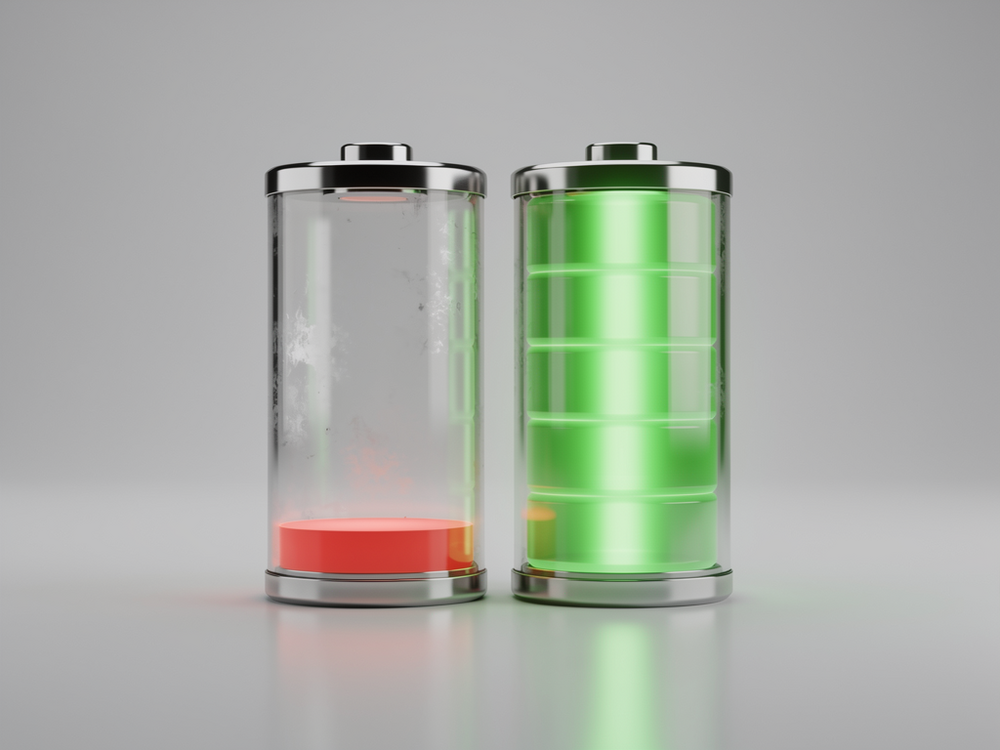
A growing number of successful professionals are caught in a confusing paradox: they are meeting their deadlines, performing well, and getting enough sleep, yet they wake up feeling profoundly drained. This isn't the classic burnout of working 80-hour weeks; it's a quieter, more insidious form of exhaustion that persists even when you've drawn boundaries. The emerging understanding points beyond simple stress to a deeper neurobiological disruption, where chronic workplace demands systematically wear down the brain's motivation and reward system, leaving you feeling empty despite outward success. This phenomenon, often called quiet burnout, is increasingly common among knowledge workers who appear functional but are internally depleted. It represents a critical shift from simply being overworked to experiencing a fundamental breakdown in how your brain anticipates reward, driven by specific, modern workplace conditions.
The Quiet Burnout Trap: Why Boundaries Aren't Enough When Workload Pressure Persists
Setting boundaries is the first piece of advice for preventing overload, but for many, it has become an incomplete solution. The modern workplace often responds to personal boundaries not with respect, but with a subtle, persistent pressure that never relents. You might be doing the "right" things—leaving on time, not checking email after hours—yet the sheer volume of work, the lack of control over your tasks, and the constant context-switching create a low-grade chronic stress that erodes your nervous system day after day. This is the essence of quiet burnout: a state of passive detachment and emotional exhaustion that develops not from a lack of trying to protect yourself, but from an environment that systematically bypasses those protections. The fatigue you feel isn't from overexertion on a given day; it's the cumulative toll of a system that demands constant cognitive and emotional availability, leaving you feeling 'dead tired' even when your calendar looks clear. This explains why you might be feeling dead inside at work despite high functioning on the surface. The boundary you set is a behavioral one, but the psychological and neurological pressure continues unabated, leading to a state of persistent fatigue despite good sleep and exercise.
Reclaim your energy and motivation now.
 👉 Explore Natural Solutions
Discover practical strategies to combat workplace exhaustion and revitalize your drive.
Signs of Quiet Burnout in High Achievers
Recognizing quiet burnout requires looking beyond obvious signs of overwork. High-functioning individuals often mask their symptoms with competence, making it harder to spot. Key signs include a pervasive sense of cynicism and detachment toward your job ("what's the point?"), a decline in cognitive sharpness or creativity you once had, and a feeling of going through the motions without any emotional engagement. Crucially, you may experience an inability to recover your energy on weekends or vacations—the fatigue is stubborn and doesn't lift with rest. Another telltale sign is finding no pleasure in hobbies or social activities that used to be fulfilling, a state known as anhedonia.
For additional insights, explore Why some men emotionally withdraw in their 50s.
Dopamine Depletion Symptoms
Symptoms that hint specifically at dopamine-related depletion include profound procrastination on tasks you know how to do, a lack of "wanting" or craving for things (even positive ones), a low threshold for frustration, and seeking excessive stimulation from things like junk food, scrolling, or other quick hits that provide a temporary, shallow dopamine spike. You might feel exhausted at work but can't explain why, experiencing a loss of motivation from chronic workplace stress that isn't depression. There's a distinct feeling of being tired and unmotivated after achieving goals at work only to see the target reset immediately, a cycle that breaks the brain's natural reward anticipation.
Distinguishing from Depression
It is vital to distinguish situational quiet burnout from clinical depression. While they share symptoms like fatigue and anhedonia, quiet burnout is typically tied directly to workplace conditions and the unmet need for reward, autonomy, and progress. Its onset correlates with job changes, and symptoms often improve when away from the work context for an extended period. Depression is more pervasive across all life domains and is often accompanied by deeper feelings of worthlessness or hopelessness unrelated to work performance. This distinction matters because the primary intervention for burnout is changing the environment, not just the individual.
Dopamine Dysregulation: Why Repetitive Work Kills Motivation at a Neurobiological Level
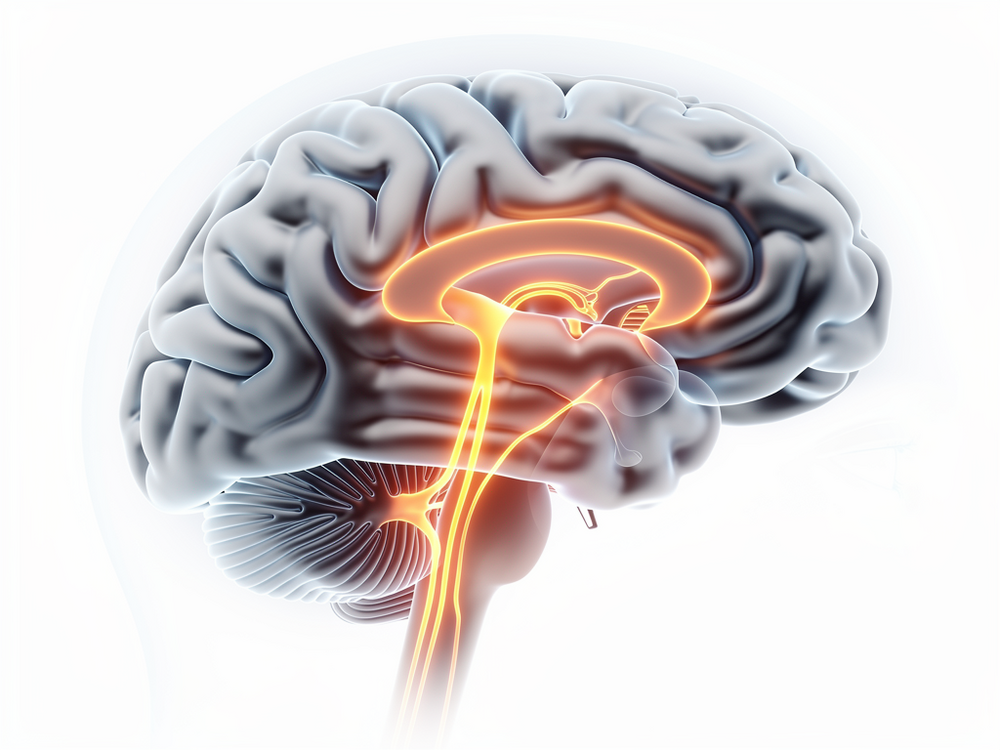
To understand this persistent exhaustion, we need to look at dopamine, the brain's key motivation and reward chemical. Dopamine is not just about pleasure; it's about anticipation, drive, and the feeling that your effort will lead to a meaningful outcome. Chronic workplace stress and highly repetitive, unrewarding task cycles can fundamentally dysregulate this system. When you complete a task only to have the goalpost immediately moved or the target reset, your brain's reward circuitry gets a confusing signal. The anticipated reward—a sense of completion, progress, or recognition—fails to materialize consistently. Over time, this leads to a phenomenon called dopamine receptor desensitization. Essentially, your brain's receptors for dopamine become less sensitive, meaning it takes more stimulation to produce the same feeling of motivation or satisfaction. This creates a neurobiological trap where even activities you used to enjoy outside of work feel flat, explaining the loss of motivation and the sense of feeling drained that persists during your time off.
Work Stress and D2 Receptor Desensitization
The specific mechanism often involves the downregulation of D2-type dopamine receptors in key brain areas related to motivation and reward processing. Chronic elevation of stress hormones like cortisol appears to reduce the density or sensitivity of these receptors. This is a survival adaptation—your brain is trying to protect itself from an unpredictable reward environment—but it leaves you in a state of motivational deficit. You can't just "think" your way out of it because the hardware itself has adapted to a barren reward landscape. This is the core of dopamine deficiency from repetitive work; the brain learns that effort is not reliably linked to reward, so it stops expending the chemical currency of motivation.
You might also be interested in how to get libido back after long period of no sex.
Break free from the burnout cycle.
👉 Explore Natural Solutions
Restore your brain's reward system and rediscover joy in your daily life.
Quiet Burnout vs. Quiet Quitting
This neurobiological view clarifies the critical difference between quiet quitting and quiet burnout. Quiet quitting is a conscious strategy of boundary-setting, disengaging from "hustle culture" to protect one's energy. Quiet burnout, however, is often an involuntary consequence—it's what happens when you try to set boundaries but the environmental stressors (workload, lack of autonomy, recognition gap) remain unchanged. Your brain's reward system eventually gives up, leading to the exhaustion and cynicism that define burnout, regardless of your hours logged. Understanding quiet burnout vs quiet quitting is key; the former is a state of neurological depletion, while the latter is a tactic to avoid it.
This understanding of the underlying mechanisms can help inform potential recovery strategies. Let's explore what steps you can take to address this.
The Recognition Gap and Effort-Reward Imbalance: Why Doing More Leads to Feeling Less
A core driver of this neurobiological drain is a fundamental imbalance between effort and reward. Modern workplaces, especially in knowledge and service industries, are rife with what psychologists call "effort-reward imbalance." You take on extra responsibilities, meet escalating targets, and solve constant problems, but the rewards—whether financial, promotional, or simply in the form of genuine recognition—are absent or grossly insufficient. This gap is not just disappointing; it's neurologically corrosive. When the brain consistently learns that effort does not predict reward, it stops releasing dopamine in anticipation of tasks. This leads to a state of learned helplessness and is a primary recipe for the exhaustion high performers describe. You are expending immense energy but your brain is receiving no biochemical signal that it's worth it, creating a deep-seated sense of futility that is utterly draining. This explains why high-functioning individuals often feel exhausted at work but can't explain why, even with a good salary; the paycheck is a reward, but it's often disconnected from daily effort and lacks the psychological impact of direct recognition.
Why Young Professionals (18-40) Are Hit Hardest: The Compounding Effect of Early-Career Burnout
This pattern is hitting early and mid-career professionals with particular force. Entering the workforce with high expectations, they often find themselves in roles characterized by repetition, limited autonomy, and opaque paths for advancement. The combination of high student debt, economic uncertainty, and a job market that demands constant adaptability creates a perfect storm. Furthermore, the neurobiological impact is compounded. Younger brains are highly plastic, meaning they adapt quickly—including to unrewarding environments. Repeated exposure to these conditions without adequate positive reinforcement can accelerate dopamine system dysregulation, leading to burnout symptoms earlier in a career. This generation is also more likely to recognize and name their experience, which explains the surge in discussions about feeling trapped and depleted despite being technically competent and employed. They are not lazier; they are experiencing a faster, more intense neurological adaptation to dysfunctional work systems.
Consider also best exercises to increase testosterone and sex drive for an additional boost.
Scientific Evidence
Evidence-Based Recovery Strategies: Restoring Your Reward System
Recovering from quiet burnout and dopamine dysregulation requires a two-pronged approach: changing your environment and deliberately retraining your brain's reward pathways. Lifestyle fixes like sleep and exercise are supportive, but they are secondary if the primary source of the dysregulation remains unaddressed. The following table outlines different realistic approaches to recovery, highlighting that there is no one-size-fits-all solution and that the strategy must match the severity and root cause.
| Approach | Best For | Timeline | Key Consideration |
|---|---|---|---|
| Environmental & Behavioral Reset | Early-stage quiet burnout where symptoms are primarily situational and tied to specific work factors. | Initial improvements in 4-8 weeks; sustained recovery over 3-6 months. | Requires the ability to enact change at work (e.g., delegating, changing projects) or the capacity to change jobs. Focuses on removing the source of dysregulation. |
| Lifestyle & Routine Optimization | Supporting recovery in tandem with environmental changes, or for mild cases where work stress is manageable but habits are poor. | Gradual, cumulative benefits over several months. | Alone, this is unlikely to resolve burnout caused by severe effort-reward imbalance. Essential for rebuilding baseline resilience. |
| Professional Therapeutic Support | When symptoms are severe, persistent, or when depression/anxiety are co-occurring. Also crucial if environmental changes are impossible. | Varies; therapy can provide tools within weeks, but deeper work takes longer. | Involves working with a psychologist or therapist skilled in CBT, ACT, or burnout coaching to reframe thoughts and rebuild engagement. |
| Integrated Medical & Lifestyle Protocol | Cases where prolonged stress has led to significant physiological symptoms (severe sleep disruption, hormonal changes) alongside psychological burnout. | Long-term process (6+ months) requiring consistent follow-through. | Should be guided by a healthcare professional to rule out other conditions (e.g., thyroid issues, sleep apnea) and may involve supervised stress management, sleep hygiene, and dietary changes. |
The impact of chronic stress on the brain is increasingly well-documented. Parallels between post-polio fatigue and chronic fatigue syndrome: a common... may offer further insights.
Environment Changes First
The most powerful intervention is to alter the conditions that caused the problem. This could mean having a candid conversation with your manager about workload and recognition, seeking a transfer to a different team or project, or in some cases, changing jobs or fields. The goal is to find or create a work situation that restores a sense of control, competence, and connection. Reducing exposure to chronic, unpredictable stressors is non-negotiable for biochemical recovery. Before considering any other pathway, ask yourself what specific change at work would make the biggest difference to your sense of reward and autonomy.
Dopamine Reset Routines
Concurrently, you can engage in activities that help resensitize your dopamine system. This involves seeking out natural, earned rewards that you have full control over. Examples include learning a new, low-pressure skill (like cooking or gardening), engaging in regular moderate exercise (which boosts dopamine sensitivity), and practicing "dopamine fasting" from cheap, excessive stimuli like social media, sugar, and binge-watching. The key is to create small, predictable cycles of effort and reward in your personal life to reteach your brain the connection between the two. This is how to restore dopamine after years of unrewarding repetitive work—by building new, reliable reward loops outside of the workplace.
It's important to remember that seeking professional guidance can be a crucial step in this process. Let's explore when specialist help might be necessary.
When to Seek Specialist Help
While many aspects of quiet burnout are situational, the neurobiological changes can be significant and may overlap with other conditions. It's important to seek professional help if your symptoms are severe, if you have thoughts of self-harm, or if the fatigue and anhedonia persist for months despite making meaningful environmental and lifestyle changes. A mental health professional, particularly one versed in burnout and workplace stress, can help differentiate between burnout, adjustment disorders, depression, and anxiety disorders. They can also provide evidence-based strategies like Cognitive Behavioral Therapy (CBT) to address negative thought patterns and behavioral activation to help re-engage with rewarding activities.
Red Flags Beyond Burnout
Seek help immediately if you experience persistent hopelessness, major changes in sleep or appetite unrelated to routine, inability to function in basic daily tasks, or reliance on substances to cope. These may indicate a condition that requires clinical intervention beyond environmental adjustments. A professional can provide a safe, structured space to unpack your experience and develop a personalized recovery plan.
Frequently Asked Questions
Recovery is not instantaneous, as it involves neurological recalibration. With consistent changes to both your work environment and daily habits, you may notice small improvements in motivation and energy within a few weeks. However, significant restoration of your reward system's sensitivity can take several months of sustained effort. The timeline in the comparison table provides a realistic framework. Patience and consistency are key, as the brain needs time to re-learn that effort leads to genuine reward.
Is this condition permanent, or can my brain's dopamine system heal?The brain has a remarkable capacity for neuroplasticity, meaning it can heal and rewire itself. Dopamine receptor sensitivity can improve when the sources of chronic stress are removed and replaced with healthy, predictable reward cycles. It is not permanent, but recovery requires actively and consistently changing the conditions that caused the dysregulation. The process is one of rehabilitation, not just rest.
I exercise and sleep well, but I'm still exhausted. Does that mean this is what I have?It's a strong indicator. If foundational health habits are in place but profound exhaustion and lack of motivation persist, it suggests the issue is not metabolic or sleep-related, but likely rooted in your nervous system's response to chronic stress and reward system dysfunction. This points directly to the quiet burnout and dopamine depletion dynamic, where your body is rested but your motivational circuitry is depleted.
How is quiet burnout different from just being in a bad job?A bad job might make you unhappy, but quiet burnout involves a specific neurobiological adaptation—your brain's motivation circuitry has downregulated. The hallmark is that the fatigue and disengagement follow you home and rob you of pleasure in other areas of life, which doesn't always happen with a simply "bad" job. It's the difference between disliking your environment and having your internal drive system compromised by it. Quiet burnout makes everything feel harder, not just work.
Can supplements or medications help with this kind of exhaustion?While certain supplements may support overall brain health, there is no quick fix or specific supplement for dopamine depletion caused by situational stress. Medication may be appropriate if a clinical diagnosis like depression or an anxiety disorder is present, which requires evaluation by a doctor. For situational quiet burnout, the primary evidence-based treatment remains psychosocial: changing the stressful environment and engaging in behavioral strategies to retrain your brain's reward pathways. Always consult a healthcare professional before starting any new supplement or medication to discuss your specific symptoms and history.
📌 Love this guide? Save it on Pinterest!
Pin Quiet Burnout in 2026: Regain Energy & Motivation Despite Enough Sleep to your board so you can come back to it later.

