
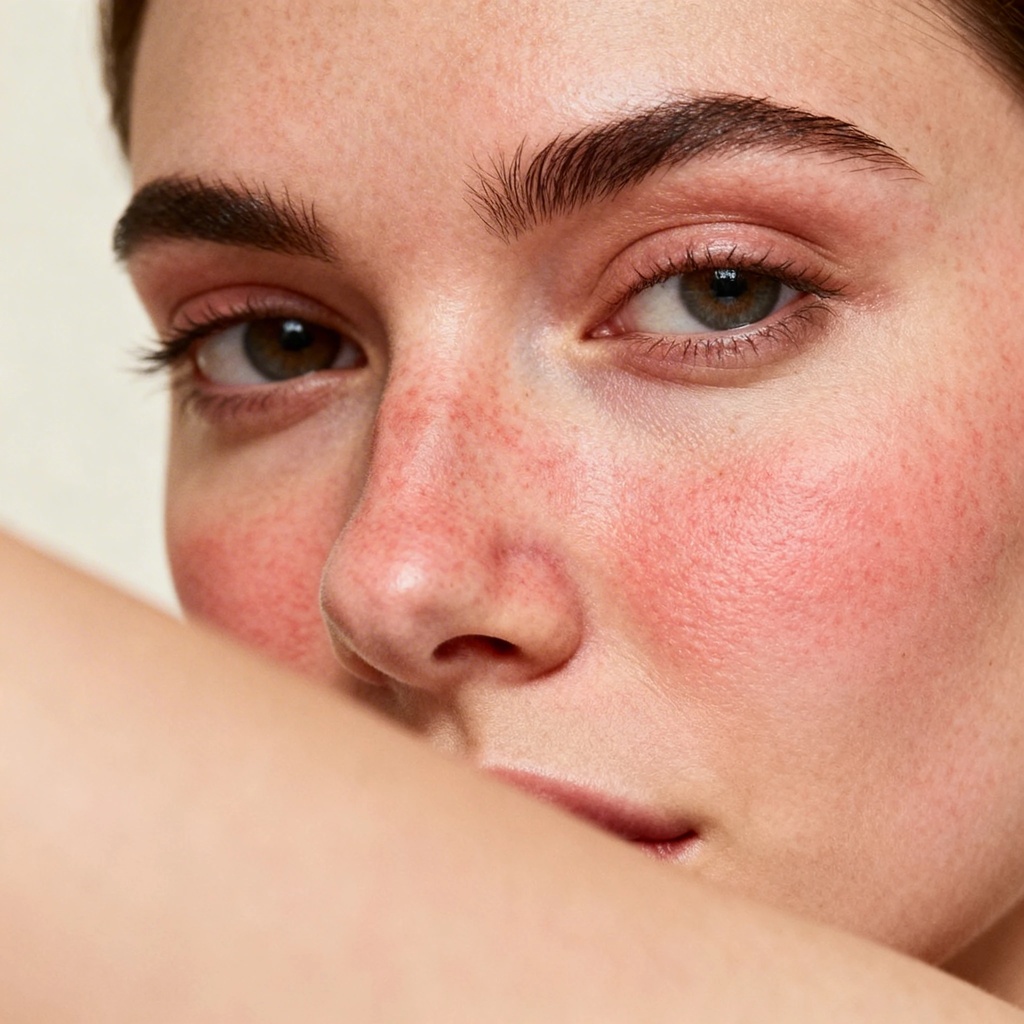
If you're a woman over 40 who has painstakingly swapped every product for a 'gentle', 'fragrance-free', 'soothing' alternative, only to watch stubborn redness and bumps persist, you are not imagining things. Across forums and social media, a growing chorus of women in perimenopause and menopause voices the same frustrating experience, asking why the standard rosacea advice is suddenly failing them. The missing piece is a profound biological shift that generic skincare routines cannot address: the hormonal changes of midlife. This article explains the physiological reasons your skin is reacting differently now and provides a more effective, adapted path forward that addresses the root cause, not just the surface.
The Invisible Failure: Why Gentle Skincare is Falling Short
You’ve eliminated harsh scrubs, switched to creamy cleansers, and religiously avoided known triggers, yet your face still flares with a persistent, angry glow. This experience, where rosacea flares after 45 despite avoiding triggers, is a common and demoralizing reality reported in countless online discussions. Gentle skincare forms a crucial protective base, but it primarily addresses the skin's surface barrier and external irritants. When the root cause of flares shifts internally—driven by hormonal fluctuations and systemic inflammation—surface-level care becomes insufficient. It’s like patching a leaky roof when the foundation is cracking; necessary, but not the complete solution. The frustration stems from a mismatch: you are diligently following a protocol designed for a different biological context. Why do I feel stuck in life after 40
Calm skin, balanced from within.
 👉 Explore Natural Solutions
Discover holistic strategies to soothe rosacea beyond topical treatments.
Biological Mechanism: The Science of Hormonal Shifts vs Skin Calm
The central player in this midlife skin rebellion is estrogen, specifically its decline. Estrogen has a multifaceted stabilizing effect on the skin. It helps maintain the skin's moisture barrier, supports collagen production for structural integrity, and crucially, modulates vascular tone and inflammatory responses. As levels drop during perimenopause and menopause, this regulatory influence wanes. Vascular reactivity increases, meaning blood vessels dilate more easily and stay dilated longer, directly fueling the flushing and persistent redness characteristic of rosacea. Furthermore, estrogen helps modulate the immune system; its decline can allow underlying, low-grade inflammation to rise to the surface, manifesting as papules and pustules. This is the core science behind why rosacea getting worse after 40 even with gentle skincare is a physiological reality, not a personal failing or a flaw in your routine.
How Estrogen Decline Affects Blood Vessel Control
Without adequate estrogen, the smooth muscle lining blood vessels loses some of its tone and regulation. This makes vessels more prone to the sudden, exaggerated dilation that causes intense flushing. Neurovascular signaling becomes more sensitive, meaning everyday stimuli like a slight temperature change or emotional stress can trigger a disproportionate flush. Over time, these frequently dilated vessels can become permanently widened and less elastic, leading to telangiectasia (visible broken capillaries) and fixed background redness that no amount of topical calming can erase. This shift from transient flushing to fixed erythema is a hallmark of midlife rosacea progression.
The Role of Systemic Inflammation in Midlife Rosacea
Estrogen's anti-inflammatory properties are often overlooked. Its decline coincides with a general increase in systemic inflammation, a phenomenon sometimes called "inflammaging." This low-grade, whole-body inflammation creates a fertile ground for skin inflammation to thrive. It can amplify the skin's response to triggers and make it harder for flares to resolve completely. This systemic component explains why focusing solely on topical anti-inflammatory creams may yield limited results; the fire is being fed from within.
Let's consider how these changes impact typical rosacea management. There are options to explore for relief.
Life Context Deep-Dive: How Perimenopause Sabotages Results
Perimenopause is not a single event but a years-long rollercoaster of hormonal flux, with estrogen and progesterone levels rising and falling unpredictably. This instability creates a perfect storm for rosacea. One week, your hormones might be relatively stable, and your skin tolerates a glass of wine. The next, a sudden hormonal dip can prime your blood vessels and immune system to flare at the slightest provocation—a warm room, a bit of stress, or a food that was fine days before. This erratic pattern makes traditional "trigger avoidance" feel useless and confusing, leading to the exact forum searches like 'why does my rosacea flare during menopause reddit' users describe. The problem isn't the trigger list; it's the constantly shifting, sensitized internal landscape upon which those triggers act. Your skin's threshold for tolerance becomes unpredictable.
Cumulative Inflammation and Blood Vessel Fatigue
Consider the decades your skin has been managing rosacea flares. With each flare, inflammation damages the microvasculature—the tiny blood vessels—and weakens the surrounding skin's structural support. By midlife, your blood vessels are simply more fatigued and less resilient. They have endured years of inflammatory assaults and may have undergone permanent structural changes, such as thickening of the vessel walls or loss of supportive collagen. This explains why triggers feel stronger now than in your 30s; the same stimulus provokes a more dramatic reaction in a weakened, sensitized system. Gentle skincare can't reverse this accumulated structural fatigue; it requires a deeper, systemic approach to strengthening vascular integrity and cooling inflammation from within. natural t booster for metabolic syndrome men 40s
The Difference Between Temporary Flushing and Fixed Erythema
Understanding this distinction is key. Temporary flushing is a reactive, transient dilation of blood vessels that subsides. Fixed erythema is a persistent redness caused by permanently dilated or damaged vessels that no longer constrict properly. In midlife, with vascular fatigue and hormonal shifts, the balance tips from reactive flushing toward fixed erythema. Topical products can soothe irritation but cannot physically constrict these damaged vessels, which is why the redness seems unmovable.
Why Common Protocols Stop Working
Many midlife women find that strategies that once helped now offer diminishing returns. Strict anti-inflammatory diets may only slightly move the needle because they don't directly address the vascular instability driven by hormone shifts. Topical steroids, while sometimes prescribed for acute flares, can thin the already fragile, collagen-depleted skin of women over 40 and lead to rebound redness or steroid-induced rosacea. Even prescription topicals like metronidazole or azelaic acid might seem less effective if the primary driver is now internal vascular instability and systemic inflammation rather than surface-level demodex mites or bacteria. This disconnect between standard protocols and your body's new reality is at the heart of the "nothing works" frustration voiced online. best testosterone booster for low energy and belly fat in men
The Integrated Path Forward: Adapting Rosacea Care to Midlife Reality
Effective management now requires a dual approach: continuing diligent, gentle external care while adding internal support for vascular health, hormonal balance, and systemic inflammation. This is the essence of a true rosacea protocol for perimenopausal women.
Externally, this means sticking with non-disruptive skincare but potentially incorporating ingredients like niacinamide (which can help strengthen the skin barrier and improve vascular flow) or peptides that support collagen. The goal is to protect and reinforce, not just soothe.
Internally, the focus must expand. This involves lifestyle factors that cool systemic inflammation: stress management techniques like meditation or breathwork (as stress spikes cortisol, which worsens inflammation), prioritizing consistent sleep (which regulates inflammatory cytokines), and adopting an anti-inflammatory nutrition pattern rich in omega-3s, antioxidants, and phytonutrients. Effect of combined probiotics and doxycycline therapy on the gut-skin axis in...
| Approach | Best For | Timeline for Noticeable Change | Key Consideration |
|---|---|---|---|
| Lifestyle & Skincare Focus | Early perimenopause, mild flares, preference for non-medical paths. | 3-6 months | Requires high consistency; addresses inflammation but not underlying vascular structural changes. |
| Combined Topical & Systemic Medical | Moderate to severe rosacea with persistent papules/pustules. | 1-3 months for initial control | Requires dermatologist oversight; combines prescriptions (e.g., ivermectin, low-dose doxycycline) with lifestyle. |
| Integrated Vascular & Hormonal Support | Midlife women with significant flushing & fixed redness, suspecting hormonal link. | 6+ months | Most comprehensive; may involve specialist coordination (dermatologist + gynecologist) and procedures like laser. |
| Professional Procedure Pathway | Fixed erythema and telangiectasia that does not respond to topicals. | Results after a series of treatments (e.g., 2-4 IPL sessions) | Targets visible vessels directly; is an investment and requires careful post-care to avoid flares. |
Vascular Support Strategies Competitors Don't Cover
Beyond basic trigger logs, start a "hormone and flare" diary. Track your rosacea severity alongside your menstrual cycle (if applicable), sleep quality, stress levels, and even subtle perimenopause symptoms like night sweats or mood changes. This data can reveal hidden patterns. Discuss with your doctor whether certain supplements, like specific bioflavonoids known for vascular support (e.g., quercetin, rutin), could be appropriate for your situation, as they may help strengthen capillary walls. Always consult a professional before starting new supplements, especially in midlife. Explore professional treatments like IPL (Intense Pulsed Light) or vascular lasers, which can target the visible, dilated blood vessels that topical products cannot reach. These treatments can be particularly effective for the fixed redness that develops over time and represents a structural change.
It's important to remember that everyone's skin is different. Tailoring your approach can make all the difference.
Scientific Evidence
Perimenopause-Specific Rosacea Management Protocols
Building a personalized plan requires acknowledging your hormonal stage and seeking collaborative care. Work with both a dermatologist and a gynecologist or menopause specialist. Key questions to ask include: "How might my hormonal phase be affecting my rosacea?" and "Are there treatment options that address both the skin and systemic symptoms?" In some cases, low-dose Hormone Replacement Therapy (HRT) can stabilize estrogen levels enough to reduce vascular reactivity and improve skin hydration, but this is a highly individual decision that must be weighed for overall health benefits and risks, not prescribed solely for rosacea. Topical options like ivermectin or oral medications like low-dose doxycycline (often used for its anti-inflammatory properties, not as an antibiotic) may be revisited in this new context, as they can help manage the inflammatory component while other strategies address the vascular root.
Trigger Tracking Adapted for Hormonal Fluctuations
Your trigger list needs a dynamic update. Instead of a static list of "avoid always" items, think in phases. During a week of hormonal instability (perhaps before a period or during a symptomatic flare), you might need to be hyper-vigilant about all classic triggers. During a more stable hormonal week, you may have a higher tolerance. This adaptive approach reduces the feeling of helplessness and makes management more strategic.
When and How to Discuss HRT with Your Dermatologist
This conversation should be informed and collaborative. Before your appointment, gather your "hormone and flare" diary data. Frame the discussion around your overall quality of life: "My rosacea flares seem tightly linked to my perimenopause symptoms, which are also disruptive. I'm exploring options to manage both." Your dermatologist can advise on the skin-specific aspects, but the decision for HRT rests with your gynecologist or menopause specialist. They can work together to ensure any treatment plan is cohesive.
Emerging Treatments and Evidence-Based Expectations
For the persistent redness and visible vessels that characterize midlife rosacea, light-based therapies are a cornerstone. IPL and vascular laser treatments target the hemoglobin in dilated blood vessels, heating them to cause gentle coagulation. This can significantly reduce fixed erythema and telangiectasia. They are generally safe for rosacea-prone skin in your 50s when performed by an experienced practitioner who understands your condition and can adjust settings for sensitivity.
Oral and topical treatments also evolve. Topical ivermectin has shown efficacy for the inflammatory bumps of rosacea. Oral medications like low-dose minocycline or doxycycline are used for their anti-inflammatory effects, not to kill bacteria. Newer topical formulations with vasoconstrictive properties are also being explored.
Setting realistic timelines is crucial. While some lifestyle changes may show subtle effects in weeks, building vascular strength or adjusting hormone levels operates on a timeline of months. Professional laser treatments require a series of sessions spaced weeks apart. Consistency with an integrated plan for at least 3-6 months is often needed to see meaningful, sustained improvement. Patience and a long-view are essential.
When to Seek Specialist Care and Red Flags
If your rosacea is significantly impacting your quality of life, causing persistent painful lesions, or affecting your eyes (ocular rosacea), it's time to seek a dermatologist's care. Be your own advocate: go to your appointment prepared. Explain that you are in perimenopause/menopause and suspect a connection. Ask directly, "Could my hormonal changes be making my rosacea more resistant to standard treatments?" A good specialist will listen to this context.
Signs you need dermatology intervention include: flares that last weeks instead of days, the development of many new visible blood vessels, bumps that become painful or infected, or any eye symptoms like dryness, burning, or redness.
How to advocate for a personalized plan: Bring your tracking data. Request a treatment approach that considers your midlife physiology—perhaps combining a prescription topical for inflammation, a discussion of systemic options, and a referral for a consultation about light-based therapies for the vascular component.
Frequently Asked Questions

A: You are likely not doing anything wrong. This is a common experience tied to hormonal shifts. The decline in estrogen during perimenopause increases vascular reactivity and systemic inflammation, making skin more prone to flares despite excellent surface care. Your protocol needs to evolve to address these internal changes, not just external triggers.
Q: Could Hormone Replacement Therapy (HRT) help my menopausal rosacea?A: For some women, yes. By stabilizing estrogen levels, HRT can potentially reduce the vascular instability that contributes to flushing and redness and improve skin barrier function. However, HRT is a significant medical decision with broader health implications and risks. It is not prescribed solely for rosacea. A detailed discussion with your gynecologist or menopause specialist about your overall symptoms, health history, and risks is essential.
Q: How long should I try a new, adapted approach before expecting to see results?A: Manage your expectations realistically. While some lifestyle changes like improved stress management may show subtle effects in a few weeks, others—like building vascular strength through consistent nutrition and possibly targeted supplements, or adjusting hormone levels—operate on a timeline of months. Professional laser treatments may require a series of 2-4 sessions spaced monthly. Consistency with an integrated plan for at least 3-6 months is often needed to see meaningful, sustained improvement.
Q: Are lasers and IPL safe for rosacea-prone skin in your 50s?A: Yes, when performed by an experienced dermatologist or licensed practitioner with expertise in treating rosacea, these light-based treatments are generally safe and can be highly effective. The key is ensuring the practitioner understands your skin's sensitivity and rosacea diagnosis to choose the correct settings and provide appropriate post-care to avoid triggering a flare. A test patch may be performed to assess reaction.
Q: What is the most important first step I can take if I suspect hormones are worsening my rosacea?A: Start tracking. Keep a simple journal for one to two months, noting your rosacea flares (severity, type) alongside your menstrual cycle (if applicable), sleep quality, stress levels, diet, and any perimenopause symptoms (hot flashes, sleep disturbances). This data is powerful. It can reveal patterns linking flares to hormonal phases and provide concrete evidence to discuss with your doctors, helping them move beyond a one-size-fits-all rosacea plan toward a personalized, midlife-aware strategy.
📌 Love this guide? Save it on Pinterest!
Pin Rosacea Relief in Your 40s: Why Gentle Skincare Isn't Enough [2026] to your board so you can come back to it later.

