

If you’re a man in your 30s or 40s who has built his identity around fitness and discipline, the creeping arrival of unexplained fatigue feels like a profound betrayal. You follow the script: you lift consistently, eat clean, and prioritize your health, yet you’re constantly drained, your motivation is fading, and you’re watching hard-earned muscle slowly melt away despite your efforts. This frustration is echoing across fitness forums, from dedicated cycling communities like TrainerRoad to weightlifting subreddits, where active, health-conscious men are hitting an invisible wall. They report being unable to maintain performance metrics, feeling exhausted in their 40s despite regular workouts, and getting no good answers from standard fitness advice. This isn’t a failure of willpower; it’s a biological shift that generic lifestyle tips are completely unequipped to address.
Fatigue That Hits Despite an Active Lifestyle
This is a specific, deep-seated fatigue that defies logic for the active man. It’s not the satisfying tiredness after a hard session; it’s a persistent, heavy exhaustion that lingers for days, sabotaging recovery and making the next workout a monumental task. Endurance athletes, in particular, detail this paradox on forums, describing how high training volumes lead to plummeting energy and stalled Functional Threshold Power (FTP), with blood work later revealing surprisingly low testosterone levels. The confusion is profound because the very activity meant to build you up seems to be breaking you down. When you feel sudden fatigue with no energy and are losing muscle mass as a man over 40, despite maintaining your routine, it’s a critical signal. The old mantra of “push harder” or “run more miles” becomes not just ineffective, but actively harmful, driving a cycle of overtraining that masks a deeper hormonal root cause.

Hormonal Shift Slowing Muscle Recovery
Beginning in your late 30s, testosterone levels naturally begin a gradual, annual decline. For the highly active man, this shift isn’t just a number on a chart; it directly undermines the physiological processes your fitness depends on. Testosterone is a master regulator of muscle protein synthesis, recovery speed, metabolic rate, and neural drive. When it dips, your body’s ability to repair and rebuild muscle tissue after stress diminishes. This is why you might be losing muscle at 42 despite everything right on paper—your consistent lifting is happening against a backdrop of declining anabolic support. Recovery windows stretch, energy reserves deplete faster, and the central nervous system’s ability to generate maximal force wanes, leading to stalled strength gains. Your engine is still running, but it’s operating with less horsepower than it used to. Why men lose physical sharpness in their late 50s
The Athlete's Hormonal Gray Zone
A significant content gap exists for fit men whose lab results land in the "low-normal" range. A level of, say, 350 ng/dL might be flagged as within standard limits, but it can be utterly insufficient for a man demanding peak recovery from intense cycling or heavy lifting. This creates the athlete’s paradox: you feel symptomatic—fatigued, losing muscle, unmotivated—but are told you’re “fine.” This gray zone is where many dedicated men are left stranded, their very fitness masking a deficit that generic medical advice fails to recognize.
It's important to consider all factors that contribute to these changes. Could targeted support make a difference in your daily performance?
Andropause Kicking In During Peak Career Years
The term “andropause” refers to this age-related decline in testosterone, and its timing is cruelly ironic. It often accelerates right in the middle of your most demanding life chapter: peak career stress, growing family responsibilities, and diminishing sleep quality. The symptoms don’t arrive with a billboard; they creep in. You might notice a stubborn brain fog that coffee can’t cut, a loss of the competitive drive you once had in the gym, or a visceral sudden fatigue that no amount of sleep fixes. For the man who has always used fitness as his anchor, this can feel like a fundamental part of his identity is slipping away. Searches like ‘tired despite gym 40s’ reveal a desperate quest for understanding at a life stage where slowing down feels like failure. Mainstream wellness content, aimed at a younger audience or focused only on severe clinical deficiency, misses this nuanced, life-stage-specific struggle entirely.
Why Diet and Exercise Aren't Enough Anymore
This is the core of the modern fit man’s frustration. The playbook that worked flawlessly in your 20s and early 30s—high protein, controlled carbs, progressive overload, and diligent cardio—stops delivering results. Worse, it can backfire. Extremely low-fat diets, often adopted for leanness, can deprive the body of the cholesterol needed to produce hormones. Chronic high-volume training without adequate recovery becomes a persistent physical stressor, elevating cortisol. This stress hormone directly antagonizes testosterone, creating a catabolic state where the body breaks down tissue rather than builds it. You end up in a perfect storm: diligently following protocols designed for a younger hormonal landscape, only to find they are now contributing to the problem. This explains why forum posts are filled with men detailing the failures of overtraining protocols and expressing confusion over why am I so tired and unmotivated at 42 even though I lift weights. low testosterone but doctor says it is normal what can men over 40 do naturally
The Overtraining Trap for the Disciplined Man
For the committed athlete, the instinct is to double down on effort. In your 40s, this instinct is often the wrong one. Chronic overtraining suppresses the hypothalamic-pituitary-gonadal axis (the system that signals testosterone production), impairs immune function, and ruins sleep quality. It’s a vicious, self-perpetuating cycle where more work leads to less capacity for work. Learning to distinguish dedicated training from destructive overreaching is a critical skill for this decade. Velocity loss as an indicator of neuromuscular fatigue during resistance training.
Signs This Is More Than Just "Getting Older"
Distinguishing normal aging from a symptomatic hormonal shift requires looking for a cluster of persistent issues. Normal aging might mean needing an extra day to recover; a hormonal issue feels like the tank is never full. Key signs include a crushing, unrefreshing fatigue; a noticeable and persistent loss of muscle fullness and strength; the accumulation of stubborn abdominal fat (visceral adiposity); a pronounced decline in libido and sexual function; increased irritability or flat mood; and a general loss of motivation or zest for life. If you’re experiencing several of these in tandem, especially as a previously fit individual, it strongly suggests a systemic, hormonal imbalance rather than simple aging or lack of effort.
Scientific Evidence
A Step-by-Step Diagnostic Protocol
Moving from frustration to clarity requires a systematic, evidence-based approach. Guessing has no place here; data is your first tool.
Start with Comprehensive Blood Work: Do not settle for a basic testosterone check. Request a full hormone panel from your doctor, including Total Testosterone, Free Testosterone (the bioactive form), Sex Hormone Binding Globulin (SHBG), Luteinizing Hormone (LH), Follicle-Stimulating Hormone (FSH), and a morning cortisol test. This panel helps differentiate between primary testicular issues, problems with the brain’s signaling system, and the impact of chronic stress. Track Your Subjective Metrics: In parallel, keep a simple log for 2-4 weeks. Note your daily energy levels (1-10), sleep quality, motivation to train, strength performance in key lifts, and mood. This personal data is invaluable context for your blood numbers. Consult the Right Specialist: Bring your blood work and personal log to a doctor who specializes in this area—an endocrinologist or a physician with a focus on men’s health or sports medicine. A general practitioner may lack the nuance to interpret your results in the context of an active lifestyle. A specialist can connect the dots between your “low-normal” labs and your high-demand life.Recovery Strategies Beyond More Gym Time
Fixing this imbalance requires a paradigm shift from “more” to “smarter.” The goal is to reduce systemic stress and proactively support your endocrine system. how to boost male libido naturally after 45 with home remedies
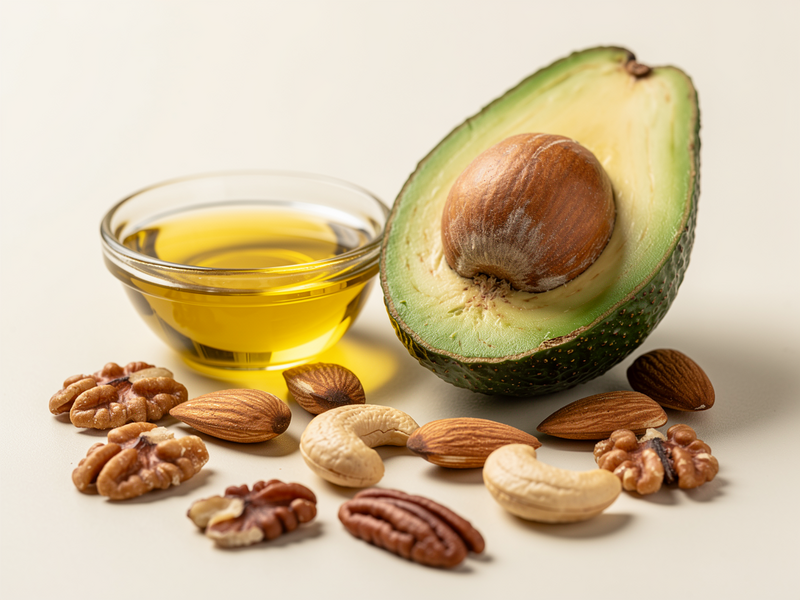
Optimize Training for Hormonal Health: Drastically reduce chronic cardio volume, which can spike cortisol. Prioritize strength training with heavy, compound lifts (squats, deadlifts, presses), as they provide a potent stimulus for natural testosterone production. Mandate deload weeks every 4-8 weeks, and listen to your body—if you’re drained, an extra rest day is not failure, it’s strategy. Nutrition for Endocrine Support: Ensure adequate intake of healthy fats (from avocados, eggs, olive oil, fatty fish) as cholesterol is the building block for hormones. Maintain sufficient protein for repair, and avoid severe calorie restriction. Key micronutrients are non-negotiable: Zinc, Magnesium, and Vitamin D are all co-factors in testosterone synthesis and regulation. Master Sleep and Stress Management: This is the foundation. Poor sleep directly suppresses testosterone production and elevates cortisol. Prioritize 7-9 hours of quality, uninterrupted sleep. Actively manage life stress through non-exercise practices: mindfulness, walking in nature, or engaging hobbies. Chronic psychological stress is a primary driver of hormonal dysfunction.It's worth exploring all available avenues to support your body's natural processes. Could a more comprehensive approach be the key to restoring your vitality?
Exploring Pathways to Restoration
For many men, lifestyle optimization brings significant improvement. For others, especially those with levels that have fallen below a functional threshold, more direct intervention may be necessary. It’s helpful to understand the landscape of approaches, from foundational lifestyle changes to medical treatment.
| Approach | Best For | Timeline for Noticeable Change | Key Consideration |
|---|---|---|---|
| Lifestyle Optimization | Men with mild symptoms and levels in the low-normal range who may have lifestyle-driven suppression (poor sleep, overtraining, diet gaps). | 4 to 12 weeks | Requires consistent, holistic changes. It's foundational for any other approach but may not be sufficient if the underlying decline is significant. |
| Targeted Supplementation & Nutrient Repletion | Those with confirmed deficiencies (e.g., Vitamin D, Zinc) or as an adjunct to lifestyle changes to support natural production. | 8 to 16 weeks | Not a substitute for addressing core lifestyle issues or medical treatment. Quality and dosage matter; it's support, not a cure. |
| Combined Lifestyle & Medical Evaluation | Men with persistent, moderate symptoms despite good habits, or whose initial blood work shows clear deficiency. The first step before any therapy. | Diagnosis in weeks; treatment timeline varies | Involves ongoing partnership with a specialist to monitor labs and symptoms. The goal is to identify if a medical cause exists. |
| Testosterone Replacement Therapy (TRT) | Symptomatic men with consistently low testosterone levels confirmed by blood tests, for whom lifestyle intervention has proven inadequate. | Often 3-6 weeks for initial symptom relief; 3-6 months for full stabilization. | A lifelong medical commitment requiring regular monitoring of blood counts, PSA, and hormones. Crucially, it typically suppresses natural sperm production. |
A critical and often overlooked concern is the question of low testosterone symptoms but I can't do TRT because of fertility concerns. This is a valid and vital discussion to have with an endocrinologist. TRT is not the only medical pathway. Options like Selective Estrogen Receptor Modulators (e.g., Clomiphene) can stimulate the body’s own testosterone production without suppressing sperm count, offering a potential middle ground for men who wish to preserve fertility while addressing symptoms. The key is a transparent conversation with a knowledgeable specialist who can tailor the approach to your entire health picture, not just a single hormone level.
Frequently Asked Questions
If your symptoms are primarily driven by reversible factors like overtraining, poor sleep, or nutritional gaps, you can expect to feel a noticeable difference in energy and recovery within 4 to 8 weeks of consistent change. However, rebuilding lost muscle mass and fully reversing a long-standing fatigue cycle is a longer process, often taking 3 to 6 months of dedicated effort. Patience and consistency are essential.
Is Testosterone Replacement Therapy (TRT) safe, and who is it really for?Under the supervision of a qualified physician, TRT is a safe and effective treatment for men with clinically diagnosed hypogonadism (low testosterone). It is for symptomatic men—experiencing significant fatigue, muscle loss, low libido, etc.—whose blood tests confirm low levels on multiple occasions and who have not found adequate relief through sustained lifestyle optimization. Safety is maintained through regular monitoring of blood counts, cardiovascular markers, and prostate health.
I'm worried about fertility. Can I address low testosterone without harming my chances of having children?Yes, this is a paramount concern and must be discussed upfront with your doctor. Traditional TRT usually suppresses natural sperm production. If future fertility is a goal, inform your specialist immediately. Alternative medications, such as Clomiphene Citrate or human Chorionic Gonadotropin (hCG), can often be used to raise testosterone levels while preserving or even stimulating testicular function and sperm production. A reproductive endocrinologist or urologist can help navigate these options.
Couldn't this just be stress or burnout from work and life?Absolutely, and the two are intimately connected. Chronic psychological stress elevates cortisol, which has a direct suppressive effect on testosterone production. Therefore, work and life stress can be the primary trigger for a measurable hormonal imbalance. The solution isn't to ignore the stress but to recognize it as a key physiological disruptor. Effective stress management becomes a critical component of the recovery protocol, alongside other targeted interventions.
What's the biggest mistake active men in their 40s make when they start feeling this way?The most common and damaging mistake is to interpret the symptoms as a sign of declining effort and to double down on their current routine—training harder, adding more cardio, and restricting calories further. This approach increases allostatic load (total stress on the body), further crashes hormonal output, accelerates muscle loss, and deepens the fatigue. The correct response is often counterintuitive: to pull back, prioritize recovery, nourish the body sufficiently, and seek objective data before making any drastic changes.
📌 Love this guide? Save it on Pinterest!
Pin Tired in Your 40s Despite the Gym? Vitality Boost Tips 2026 to your board so you can come back to it later.

