
You’ve built a solid foundation. You prioritize sleep, eat a balanced diet, exercise consistently, and take your basic supplements. Yet, a subtle, persistent fatigue lingers. The afternoon brain fog creeps in, or your recovery from a tough workout feels slower than it did a decade ago. This quiet frustration is common for busy professionals and health-conscious adults in their 40s and beyond, and it’s precisely why Nicotinamide Mononucleotide (NMN) has surged in popularity. Marketed as a direct booster for cellular energy and a defender against aging, it promises to fill that elusive gap. But a scroll through online communities like Reddit reveals a chorus of skepticism—individuals who, after months of use, report no noticeable boost in energy or clarity. This disconnect between the hype and lived experience begs the critical question: Is NMN really effective, or is it just another wellness trend capitalizing on our desire to optimize? This article moves beyond the marketing to examine the nuanced human science, specifically for those who already have their lifestyle fundamentals in order but are seeking that next level of sustained vitality.
What Is NMN and How Does It Work in the Body
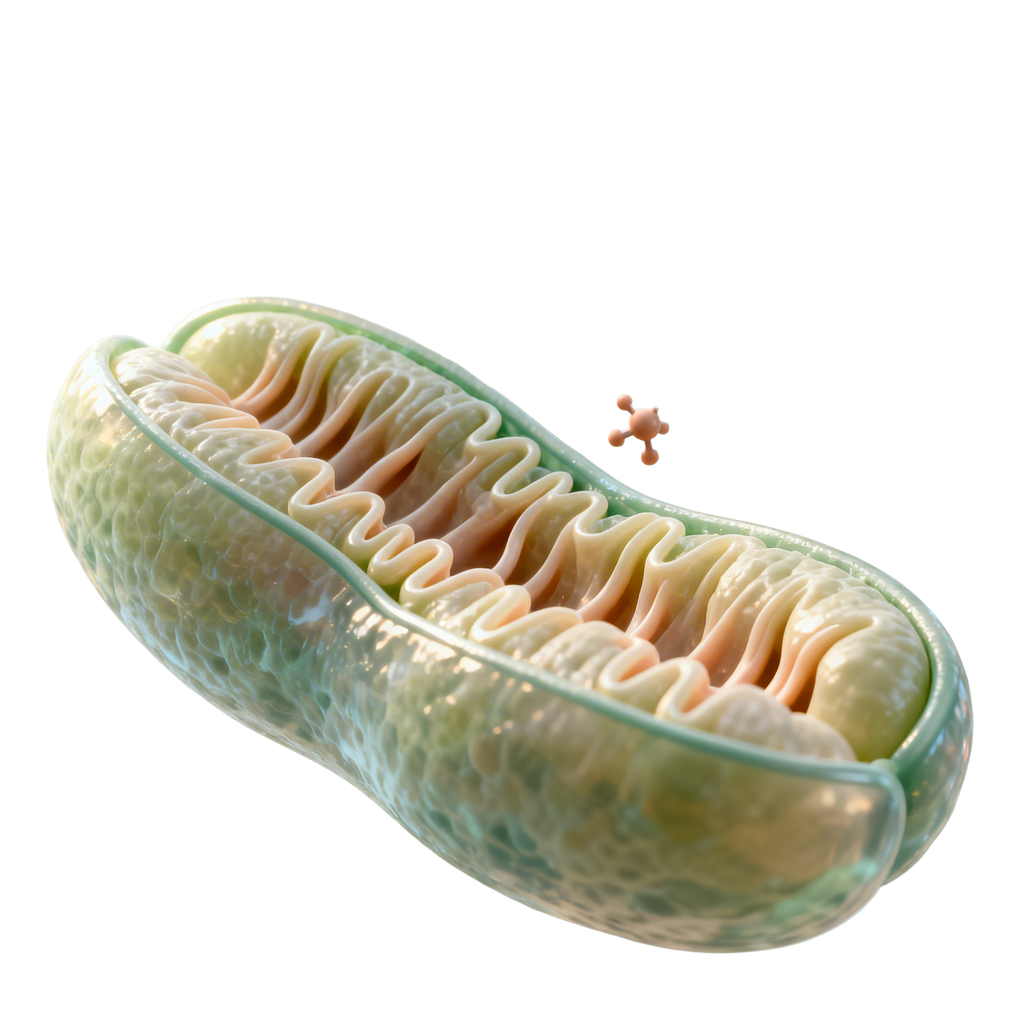
NMN is a naturally occurring molecule found in trace amounts in foods like avocado, broccoli, and edamame. Its primary role in the body is to serve as a direct precursor to a far more critical coenzyme called NAD+ (Nicotinamide Adenine Dinucleotide). To understand the potential of NMN, you must first understand NAD+. Think of NAD+ as the universal cellular currency for energy production and maintenance. It is an essential cofactor in the mitochondria—the power plants of your cells—where it helps convert the calories from food into adenosine triphosphate (ATP), the molecule your body uses for energy. Beyond basic fuel production, NAD+ is also the required fuel for a family of enzymes called sirtuins, which are involved in DNA repair, cellular stress response, and maintaining healthy circadian rhythms.
Unlock sustained energy and sharper focus.
 👉 Explore Natural Solutions
Support healthy aging with a targeted approach to cellular vitality.
The central problem is that NAD+ levels in our bodies decline significantly with age. This decline is accelerated by factors common in modern professional life: chronic psychological stress, poor sleep, and environmental toxins. This dwindling supply of cellular "currency" is theorized to be a key driver of the metabolic slowdown, reduced resilience, and diminished repair capacity we associate with aging. What does NMN do in the body? Its proposed mechanism is elegantly simple: by supplementing with NMN, you provide your cells with more of the raw material needed to synthesize NAD+. The goal is to replenish this vital coenzyme, thereby supporting more efficient energy production, enhanced cellular repair, and better overall metabolic function. It’s a foundational support strategy, not a quick stimulant.
The Science Behind NMN's Effectiveness: From Mice to Men
The biochemical pathway from NMN to increased NAD+ is well-established in laboratory settings. The excitement, and much of the hype, originates from compelling animal research. In older mice, elevating NAD+ levels with NMN has yielded dramatic results: improved insulin sensitivity, enhanced mitochondrial function, increased physical endurance, and even extended lifespan. These findings are undeniably fascinating and provide a strong mechanistic rationale for human investigation.
However, the critical translation to humans tells a more measured story. Recent clinical trials, while still evolving in scale and duration, offer a nuanced picture of NMN effectiveness studies in humans. Research consistently shows that NMN supplementation can reliably increase NAD+ levels in the blood of middle-aged and older adults. The downstream benefits observed in these human trials are subtler but meaningful. Some studies report modest improvements in markers of cardiometabolic health, such as improved arterial flexibility and muscle insulin sensitivity. Others note slight increases in walking speed or measures of physical performance in older cohorts. Perhaps most relevant to the target audience, several trials include self-reported outcomes where participants note mild improvements in general fatigue, vigor, and sleep quality. why do I feel like my body is slowing down
It’s crucial to interpret these results with context. NMN in humans appears to function as a supportive optimizer. It helps restore a more youthful NAD+ baseline, which may allow your cells to function more efficiently. For someone already in good health, this might translate to slightly better recovery or more stable energy. It is not a pharmaceutical-grade intervention that dramatically reverses aging overnight. The science supports its role in addressing the age-related decline of a key metabolic cofactor, which can have cascading benefits for overall cellular health.
Let's consider how these findings translate to everyday vitality.
Key Human Trials on Energy and Aging Biomarkers
While large-scale, decade-long human studies are still pending, several controlled trials illuminate NMN's potential. One study on healthy middle-aged adults found that NMN safely elevated NAD+ levels and was associated with self-reported increases in vitality. Another focused on older men, demonstrating that NMN improved muscle insulin sensitivity and structure, suggesting a positive effect on age-related metabolic decline. Research on postmenopausal women with prediabetes showed that NMN supplementation improved the ability of arteries to dilate, a key marker of vascular health. These studies collectively point toward NMN supporting "healthspan"—the quality of life in later years—by positively influencing biomarkers associated with aging. The effects are supportive and systemic, aligning with the experience of a gradual upward shift in baseline function rather than an acute transformation. Human trials exploring anti-aging medicines.
Common Reasons NMN Fails to Deliver Results
Given the sound theoretical mechanism, why is the phrase "NMN not working despite good diet" so prevalent in online forums? Several practical and physiological factors explain this disconnect, offering crucial insight for potential users.
First, absorption and form matter. NMN is a relatively large, charged molecule. When taken as a standard capsule that passes through the digestive system, a significant portion may be broken down before it can be effectively utilized. This low bioavailability is a common pitfall. Many users who switch to sublingual powders (which absorb directly into the bloodstream via the tissues under the tongue) or liposomal formulations (encapsulated in fat for better gut absorption) report more perceptible effects.
Second, individual baseline is everything. Your starting NAD+ level is influenced by age, genetics, lifestyle, and current stress load. A 30-year-old triathlete with pristine habits may have near-optimal NAD+ levels; supplementing may yield no perceptible change. Conversely, a 52-year-old executive under chronic stress, despite eating well and exercising, may have significantly depleted NAD+, making supplementation more likely to "fill the tank" and produce noticeable benefits in recovery and mental clarity.
Optimize your healthspan, starting at the cellular level.
👉 Explore Natural Solutions
Support your body's natural ability to repair and rejuvenate.
Third, unrealistic expectations lead to disappointment. NMN is not a stimulant like caffeine. You will not feel a jolt of energy 30 minutes after taking it. Its mode of action is systemic and restorative. The benefits—if they occur—are often noticed in retrospect: "I handled that stressful week better," or "I don't crash at 3 PM anymore," or "My muscles aren't as sore two days after lifting." Looking for a dramatic daily "boost" is a recipe for perceiving failure.
Finally, and most importantly, no supplement can override foundational lifestyle gaps. If your sleep is chronically poor, your stress is unmanaged, or your diet is inflammatory, supplementing with NMN is like pouring a glass of water into a bucket with a large hole. The underlying drain on your cellular resources will outpace any supplemental support, making its effects impossible to detect. This is a key insight from the community skepticism and addresses the core content gap where other articles fail. Why do men age faster after 30
These factors highlight the importance of a realistic approach.
Realistic Outcomes and Timelines for NMN Users
So, what can a health-conscious individual in their 40s or 50s realistically expect? Managing expectations on how long for NMN to work and what "working" looks like is paramount to a satisfactory experience.
For the ideal candidate, benefits are gradual and subtle. Do not expect noticeable changes in the first few weeks. Most human clinical trials run for 8 to 12 weeks, and anecdotal reports from consistent users often align with this, suggesting a 2 to 3-month period is needed to evaluate effects. The changes are not dramatic but supportive: a feeling of greater resilience to daily stressors, improved recovery from physical and mental exertion, and more consistent energy levels throughout the day without pronounced slumps. It’s an enhancement of your existing capacity.
For the young or exceptionally healthy person wondering does NMN help if I already eat healthy, the answer is likely no, at least in terms of perceptible benefits. If your NAD+ machinery is already operating near its peak, adding more precursor may not move the needle in a way you can feel, though it may still positively influence biomarkers. NMN is not a general wellness supplement for everyone; it’s a targeted support for a specific, age-related metabolic decline. Why do I avoid intimacy even though I love my partner
Balancing the Hype: Animal Studies vs. Human Evidence
A significant source of confusion—and marketing material—stems from the dramatic difference between animal and human data. Mouse studies are essential for uncovering biological mechanisms, but mice have vastly different metabolisms and lifespans. An intervention that extends a mouse's life by 20% represents a very different biological feat in a creature that lives two years versus a human who lives eighty. The spectacular rejuvenation effects in mice are not a guaranteed blueprint for humans.
Scientific Evidence
Our biology is more complex, and human aging involves countless intertwined systems. The current human evidence for NMN is focused squarely on improving biomarkers of health, metabolic function, and quality of life—concepts known as "healthspan." There is no human evidence that NMN extends lifespan. When evaluating claims, this distinction is vital. Look for research on improved vascular function, glucose metabolism, and physical performance in older adults, not sensational claims of age reversal. This grounded perspective is what’s missing from most hype-driven content and is essential for the skeptical, informed reader.
Who Should Take NMN? A Realistic Profile
NMN supplementation is not a universal recommendation. It appears most relevant for a specific demographic profile. The ideal candidate is generally a healthy adult over 40 (or sometimes younger if under extreme chronic stress) who is noticing a gradual, perplexing decline in energy, recovery, or mental sharpness that their otherwise excellent habits cannot fully counter. It may be particularly relevant for:
- Busy professionals experiencing high cognitive load and stress.
- Active individuals who find their post-exercise recovery is slowing.
- Those noticing a decline in metabolic flexibility (e.g., harder time managing weight, more energy crashes after meals).
Conversely, NMN is likely unnecessary and unlikely to provide noticeable benefits for:
- Healthy adults under 35 with robust lifestyles.
- Individuals seeking an acute energy boost or stimulant effect.
- Anyone who has not first optimized sleep, nutrition, exercise, and stress management.
Furthermore, because long-term human safety data is still being accumulated, individuals with serious medical conditions or those taking prescription medications should consult a healthcare professional before starting NMN or any new supplement regimen.
Comparing Pathways to Enhanced Vitality
It’s helpful to see NMN in the context of other approaches to addressing midlife fatigue and optimizing longevity. The following table outlines different strategies, their ideal user, and key considerations.
| Approach | Best For | Timeline for Noticeable Effect | Key Consideration |
|---|---|---|---|
| Lifestyle Optimization (Sleep, Diet, Exercise, Stress Mgmt) | Everyone, especially those starting their health journey or with clear lifestyle gaps. | 2 weeks to 3 months (varies by factor) | The non-negotiable foundation. No supplement can compensate for major deficiencies here. Offers the broadest and most sustainable benefits. |
| Basic Supplementation (Multivitamin, Vitamin D, Omega-3s, Magnesium) | Individuals with dietary gaps, specific deficiencies, or increased needs due to lifestyle or age. | 1 to 3 months | Addresses common nutritional insufficiencies. Blood testing can help target needs. Should support, not replace, a good diet. |
| NAD+ Precursor Support (e.g., NMN or NR Supplementation) | Generally healthy adults over ~40 experiencing subtle, age-related decline in energy/recovery despite good habits. | 2 to 3 months | A targeted, mechanistic approach to a specific age-related metabolic decline. Effects are subtle and systemic. Quality and absorption of the supplement are critical. |
| Combined Protocol Lifestyle + Basics + Targeted Support (e.g., NMN) | The dedicated health optimizer with a solid foundation seeking to address specific, nuanced aspects of aging and performance. | Ongoing, with layered benefits | Represents a comprehensive, tiered strategy. The benefits of targeted supplements like NMN are most likely to be perceptible and effective atop a solid lifestyle and basic supplement base. |
Safety, Dosage, and Long-Term Considerations
For most healthy adults, NMN appears to be well-tolerated in the short to medium term. Doses used in clinical studies typically range from 250 mg to 500 mg per day, often taken in the morning to align with the body's natural circadian rhythm of NAD+ production. Reported NMN side effects from daily use are rare and generally mild, occasionally including temporary facial flushing or minor digestive discomfort, which often subside with continued use or a lowered dose.
The paramount unanswered question is is NMN safe long term? While the short-term data is reassuring, we lack multi-decade human safety studies. This uncertainty underscores the importance of prudence: choosing high-purity products from manufacturers who provide transparent third-party certificates of analysis is non-negotiable. Starting at a lower dose (e.g., 250 mg) to assess tolerance is wise. Furthermore, because NMN influences a core metabolic pathway, the principle of "more is not better" applies. The goal is to restore optimal function, not to create a perpetual surplus. Some practitioners and users advocate for cycling—such as taking NMN for 3 months followed by a 1-month break—as a conservative approach until more long-term data is available.
Alternatives and Foundational Lifestyle Strategies
Before reaching for a supplement bottle, reinforcing the lifestyle factors that naturally support NAD+ biosynthesis is the most powerful and evidence-based step. These strategies not only boost NAD+ but also improve nearly every other aspect of health, creating a synergistic effect no single pill can match.
Exercise is arguably the most potent natural NAD+ booster. High-intensity interval training (HIIT) and resistance training have been shown to significantly increase the activity of enzymes that synthesize NAD+ in muscle tissue. Dietary approaches include incorporating foods containing other NAD+ precursors like tryptophan (turkey, eggs) and niacin (chicken, tuna, lentils), as well as practicing time-restricted eating (e.g., a 12-14 hour nightly fast), which may help conserve cellular NAD+ by reducing the metabolic burden of constant digestion. Stress and sleep management are critical. Chronic stress depletes NAD+ to fuel the constant demand for cortisol production. Prioritizing sleep quality is essential, as NAD+ levels and sirtuin activity are intimately tied to circadian rhythms. Practices like meditation and mindfulness can mitigate stress-induced NAD+ depletion.For those still interested in a supplemental pathway, Nicotinamide Riboside (NR) is a direct alternative that also effectively raises NAD+ levels. The debate over NMN vs. NR's efficiency is ongoing in the scientific community, with some evidence favoring one pathway over the other in specific tissues. In practice, individual response varies, and both are considered viable options.
Ultimately, the most effective protocol for sustained energy and healthy aging is built on the unshakable pillars of lifestyle. Supplements like NMN can only ever play a supporting, adjunct role within that holistic context.
It's worth considering all options for sustained vitality.
Frequently Asked Questions

A: It could be, particularly if you're over 40. NMN supports the cellular energy (NAD+) production that naturally declines with age and stress. For individuals with solid lifestyle habits who still experience subtle fatigue, it may address that specific metabolic gap, potentially leading to more stable energy and clearer mental focus over time. However, it is not a stimulant, and effects are subtle. It's crucial to first rule out other common causes like sleep apnea, thyroid imbalances, or iron deficiency.
Q: What’s the best way to take NMN for optimal absorption?A: Absorption is a key factor in its effectiveness. While standard capsules are common, some research and user reports suggest that sublingual powders (held under the tongue) or liposomal capsules may offer higher bioavailability by bypassing or protecting against digestion. Taking NMN in the morning, ideally on an empty stomach or with a light meal, may also align better with the body's natural NAD+ cycle.
Q: Are the anti-aging effects of NMN proven in people?A: The direct lifespan-extending effects seen in mouse studies are not proven in humans. In people, the emerging evidence supports NMN's role in improving "healthspan"—enhancing biomarkers associated with healthier aging, such as vascular function, insulin sensitivity, and physical performance in older adults. Think of it as supporting more robust cellular function as you age, not as a cure for aging itself.
Q: Can I take NMN with other supplements like resveratrol or pterostilbene?A: Yes, and there is a plausible synergistic effect. Compounds like resveratrol are sirtuin activators, while NMN provides the NAD+ fuel that sirtuins require to function. This combination is common in longevity-focused protocols. As with any new regimen, it's sensible to introduce one supplement at a time to monitor your body's response.
Q: How does NMN compare to NR (Nicotinamide Riboside)?A: Both are effective precursors to NAD+ and have clinical studies showing they raise NAD+ levels in humans. The scientific debate centers on which has the more efficient pathway into cells. Some research indicates NR may have a more direct route, while other studies suggest NMN may be more stable. In practice, individual biochemistry dictates response. The choice often comes down to personal experience, product quality, and which form you tolerate better.
📌 Love this guide? Save it on Pinterest!
Pin NMN for Energy & Aging: Does It Work? A 2026 Science-Backed Guide to your board so you can come back to it later.

