

A growing number of men in their prime are facing a confusing and frustrating reality: they're doing everything "right" for their health—hitting the gym, eating clean, prioritizing sleep—yet when they use DHT blockers to combat hair loss, they're hit with sexual dysfunction, crushing fatigue, and a vanished libido. This silent epidemic is particularly acute among driven, health-conscious men in high-stress careers, for whom a standard solution creates a new, more personal problem. The standard advice seems to backfire, leading to fears of permanent side effects and a desperate search for answers that go beyond generic lists. This article explains why your healthy lifestyle might not be enough to protect you and what's really happening under the hood of stress and hormones.
Understanding DHT, Hair Loss, and the Blocker's Job
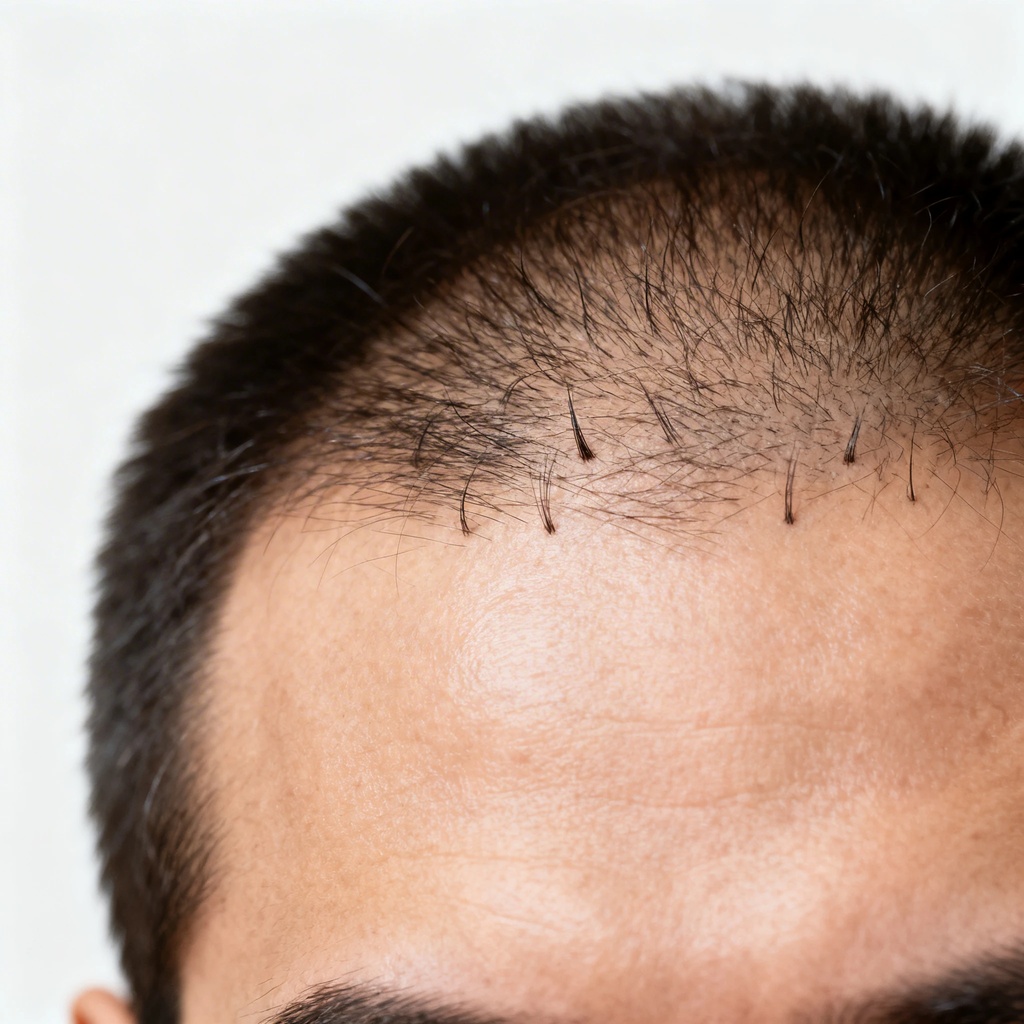
DHT, or dihydrotestosterone, is a potent androgen hormone derived from testosterone. For genetically susceptible men, DHT binds to receptors in hair follicles on the scalp, gradually miniaturizing them and shortening the hair's growth phase, leading to pattern baldness. DHT blockers, most commonly finasteride and natural alternatives, work by inhibiting the 5-alpha-reductase enzyme, which is responsible for converting testosterone into DHT. By lowering systemic DHT levels, the goal is to slow, stop, or even partially reverse this follicular miniaturization. For many men, this is an effective strategy. However, the body's hormonal system is a complex, interconnected web, not a single switch to be flipped. Altering one pathway can have unintended consequences elsewhere, especially in a system already under strain.
Restore your vitality and reclaim your edge.
 👉 Explore Natural Solutions
Support your body's natural balance for sustained well-being.
Common Side Effects of DHT Blockers: Beyond the Leaflet
Clinical studies and widespread user reports confirm a range of potential side effects associated with DHT blockade. The most discussed are sexual in nature: decreased libido, erectile dysfunction, reduced semen volume, and difficulty achieving orgasm. Beyond these, men report systemic issues like persistent fatigue, mood changes, brain fog, and a loss of motivation. It's crucial to understand that these are pharmacologically plausible. DHT plays a role in neurological function, libido signaling, and energy regulation. Removing a key hormone from a delicately balanced system can have ripple effects. For some, these effects are mild or transient; for others, particularly those asking why am I losing libido on dht blockers at 35, they are profound and disruptive.
For those interested in boosting overall vitality, exploring options such as why do I feel exhausted every day might be beneficial.
Sexual Dysfunction Details
The sexual side effects are often the most alarming. They are not merely psychological but are linked to DHT's role in nitric oxide signaling and tissue health in the genital area. A drop in DHT can interfere with the complex biochemical cascade required for arousal and erection.
Prevalence and Persistence
While clinical trials report a certain percentage of users experiencing side effects, real-world anecdotes, especially in online forums, suggest these issues can be more persistent for a subset of men. This discrepancy often fuels the confusion and search for answers when someone experiences dht blockers side effects but normal blood tests reddit.
The Invisible Failure: Why DHT Blockers Fail Active Men
You're disciplined. Your bloodwork is fine. You're taking a proven medication, but instead of thicker hair, you're dealing with erectile dysfunction, low libido, and a cloud of brain fog. This is the core frustration captured in searches like hair loss supplements giving me ed even though I work out. The failure is paradoxical: excellent physical health does not confer immunity to side effects. For this group, the problem is that the standard protocol ignores a critical, invisible variable: a nervous system perpetually dialed to "fight or flight" from career and life pressure. The gym and diet manage parts of your health, but they may not be enough to counterbalance the hormonal disruption introduced by DHT inhibition in a high-stress environment. The body interprets intense career stress similarly to physical threat, activating pathways that directly clash with the goal of hormonal stability. It's worth considering how stress impacts the efficacy of treatments.
Biological Mechanism: Stress Amplifying DHT Blocker Risks
The collision point is your endocrine system's stress response. Chronic stress, the kind endemic to high-pressure careers, leads to consistently elevated levels of cortisol. Cortisol is catabolic—it breaks things down—and it directly antagonizes testosterone production. It also promotes hormonal imbalances. When you introduce a DHT blocker into this stressed system, you're performing delicate surgery on a patient who's already bleeding. The inhibition of 5-alpha-reductase doesn't just lower DHT; it can alter the pathways of other neurosteroids, such as allopregnanolone, which are crucial for mood, cognition, and a sense of well-being. In a calm body, the system might adapt. In a stressed body, the loss of DHT and the shift in neurosteroids can push an already strained hormonal balance over the edge, manifesting as the severe fatigue and sexual dysfunction reported. The effects of finasteride on scalp skin and serum androgen levels in men with... have been studied extensively.
Life Context Deep-Dive: How Career Stress Sabotages Protocols
Imagine two men taking the same DHT blocker. One has a low-stress, active lifestyle. The other is a 38-year-old executive or developer facing constant deadlines and mental overload—a classic scenario for dht blockers for desk job guys with stress. Their physiological baseline is worlds apart. Chronic mental stress keeps cortisol high, which suppresses testosterone and can increase sex hormone-binding globulin (SHBG), leaving less free, usable testosterone for libido and vitality. Sleep quality, often poor under stress, plummets, further crushing natural testosterone production and neural recovery. The DHT blocker then adds another layer of hormonal adjustment. For the stressed man, this is the final straw. His body, already struggling to maintain basic hormonal equilibrium, cannot handle the new variable, leading to the pronounced side effects that seem disproportionate to the drug's intended action.
Why Common Protocols Stop Working (Or Cause Sudden Issues)
Many men start a DHT blocker and are fine for months, only to then experience a sudden fatigue after starting hair loss treatment over 30 or a sharp libido drop. Why the delay? The body initially has some reserve capacity. However, under sustained chronic stress, your adrenal and hormonal reserves deplete—a state sometimes called adrenal fatigue or HPA axis dysfunction. What your body could compensate for initially, it no longer can. Furthermore, the cumulative effect of slightly altered neurosteroid levels over time can eventually manifest as noticeable cognitive and sexual side effects. Lifestyle can also slip imperceptibly—sleep degrades, workouts become another stressor, nutrition gets spotty under deadlines—further reducing your resilience to the drug's effects. The protocol didn't change; your body's ability to buffer its side effects did. It's important to find ways to support your body's natural processes.
The Integrated Path Forward: Adapting DHT Blockers to Stressful Lives
The goal is not necessarily to abandon DHT blockers entirely, but to build a protocol that accounts for a high-stress reality. This requires an integrated approach that manages the intervention within the full context of your life. Success hinges on raising your body's resilience threshold before, or while, introducing a hormonal modulator.
Scientific Evidence
Foundational Stress Modulation
This is non-negotiable and goes beyond "relaxing more." It means deliberate, daily practices to lower baseline cortisol. This could include mindfulness meditation, diaphragmatic breathing exercises, or regular nature exposure. The aim is to train your nervous system to spend more time in "rest and digest" mode.
Strategic Exercise and Recovery
Re-evaluate your fitness routine. Excessive high-intensity training can be another major cortisol spike. Integrating more low-intensity steady-state (LISS) cardio, yoga, or focused resistance training with adequate rest periods can be more supportive. Prioritizing sleep quality (deep, uninterrupted sleep) is more critical for hormonal recovery than simply logging hours.
For those seeking to enhance their energy levels, exploring best natural supplements for male libido and energy for busy dads could be a helpful addition.
Informed Medical Collaboration
Discuss with a knowledgeable healthcare professional. A lower dose, or intermittent dosing (e.g., every other day), may provide a therapeutic effect on hair with a significantly reduced side effect profile by lessening the hormonal shock to your system. Topical formulations, which may have less systemic absorption, are another avenue to explore with a doctor.
Also, if you are looking for options, check where to buy testosil at the best price with guarantee.
| Approach | Best For | Timeline for Assessment | Key Consideration |
|---|---|---|---|
| Lifestyle-First Protocol | Men with high stress but early hair loss, wary of supplements. Focus on stress, sleep, diet to improve hormonal health naturally. | 6-12 months | May slow loss but rarely reverses it. Requires high discipline without pharmaceutical aid. |
| Adapted DHT Blocker Use | The core audience: healthy but stressed men who need intervention. Uses lower/ intermittent dosing alongside rigorous stress management. | 3-6 months for side effect profile; 6-12 months for hair results | Demands careful self-monitoring and professional guidance to find the minimal effective dose. |
| Combined Topical & Systemic Approach | Men seeking to minimize systemic exposure. Uses topical DHT blockers (e.g., finasteride) with supporting natural supplements. | 4-8 months | Topicals can still go systemic. Requires consistency with application and managing expectations on strength of effect. |
| Addressing Root Hormonal Issues First | Men with clear signs of burnout, very low libido, or fatigue before any treatment. Focuses on correcting cortisol, thyroid, or testosterone issues first. | 3-6 months for hormonal improvement | Hair loss may continue during this period, but creating a stable foundation is critical before adding another variable like a DHT blocker. |
It's essential to consider all available resources to support your well-being. Prioritizing your overall health can make a significant difference.
Safety, Alternatives, and When to Consult a Professional
Your health is paramount. If you experience side effects, the first step is to consult the prescribing doctor or a knowledgeable endocrinologist or urologist. Do not suffer in silence hoping it will pass. Standard blood panels often miss the subtle hormonal and neurosteroid shifts that cause symptoms, which is why the phrase dht blockers side effects but normal blood tests reddit is so common. A specialist can run more nuanced tests. For most men, side effects are reversible upon discontinuation, but a subset report persistent issues, making professional guidance critical before starting or stopping. Alternatives exist, from topical DHT blockers to treatments like minoxidil, low-level laser therapy, or even procedural options. The goal is a sustainable, healthy approach, not a trade-off between your hair and your vitality.
Frequently Asked Questions
A: No, side effects are not an indicator of efficacy for hair loss. They are separate adverse reactions from the hormonal alteration. Some men experience great hair results with no side effects, others have side effects with minimal hair benefit. The two are not causally linked.
Q: How long should I wait to see if side effects subside?A: This is a critical discussion to have with your doctor. A common clinical approach is to assess after 2-4 weeks. However, if side effects are significant or severely impacting your quality of life, do not wait; consult your physician immediately. The decision should balance patience for initial adjustment with respect for your well-being.
Q: Are natural DHT blockers (like saw palmetto) safer and free of these side effects?A: Not necessarily. While often milder, natural blockers work on similar enzymatic pathways. In a highly stressed individual, they can still provoke the same type of hormonal friction and side effects, though potentially to a lesser degree. The principle of stress context applies to natural supplements as well.
Q: Can improving my stress management really reduce or eliminate these side effects?A: For many men in high-stress careers, it is the most impactful lever. By lowering baseline cortisol and improving hormonal resilience, you raise the threshold at which a DHT blocker causes disruptive side effects. It may not work for everyone, but it is the most overlooked and essential first step before abandoning treatment or assuming you're uniquely intolerant.
Q: Who is most at risk for these lifestyle-defying side effects?A: Men with chronically high-stress lives, poor sleep hygiene, those who use exercise as a form of additional stress (overtraining), and individuals with pre-existing but subclinical hormonal imbalances are at higher risk. If you feel chronically "burned out" or wired-tired even before starting treatment, you are in a higher-risk category for experiencing amplified side effects.
📌 Love this guide? Save it on Pinterest!
Pin DHT Blockers & Side Effects: Why They Fail Active Men in 2026 to your board so you can come back to it later.

