

I’ve always prided myself on being a discerning shopper, especially when it comes to my skin. At 48, I’ve learned that quality matters, and I’m willing to invest in products that promise real results. So, after months of reading glowing testimonials from women my age, I decided to finally try Skinception. The promise of smoother, firmer skin was too tempting to ignore. I opened my laptop, ready to purchase, feeling that hopeful excitement of starting a new regimen. That excitement lasted for about ten minutes. Then, I was plunged into a vortex of confusion, suspicion, and outright fear. My simple quest to buy a reputable anti-aging cream suddenly felt like navigating a digital minefield, where a wrong click could mean wasting a significant amount of money on a counterfeit product that could do more harm than good. The trust I had in the brand’s reputation was instantly overshadowed by my distrust in the online marketplace. This is the story of how my determination to get it right led me down a rabbit hole of comparison, and why my journey to buy Skinception online safely became a lesson in consumer vigilance I never wanted to learn—but desperately needed.
My Initial Hunt: Why Buying Skinception Felt Like a Minefield
My first search for “buy Skinception” returned a dizzying array of options. There was the official-looking website, a dozen different listings on Amazon, and several other beauty retailers with varying prices. My initial enthusiasm was immediately replaced by a low-grade anxiety that settled in my stomach. Here I was, a woman who prides herself on doing her homework, and I felt utterly lost. Why was the price so different from one site to the next? Some Amazon listings were 40% cheaper than the official site, which set off every alarm bell in my head. For a premium skincare product, that kind of discrepancy doesn’t signal a “good deal”; it signals a potential problem. I found myself spiraling for over an hour, clicking through forum posts and Reddit threads where women shared horror stories of receiving opened boxes, products with altered consistency, or items that caused unexpected reactions. One woman described a rash that took weeks to calm down. Another said the cream she received was watery and smelled “chemically.” Their emotional complaints mirrored my own growing panic. I realized that for something I was going to apply to my face daily, product authenticity wasn’t just a preference; it was a non-negotiable requirement for safety and efficacy. The overwhelming options weren’t a blessing of choice; they were a test of my ability to spot a scam, and I suddenly felt like I was failing.
The Psychology of Premium Skincare Purchases This experience drilled home a truth I’d only vaguely understood: when you buy high-end skincare, you’re not just buying a cream. You’re buying the research behind it, the quality control, the assurance of correct formulation, and the peace of mind that comes from knowing exactly what you’re putting on your skin. That trust is incredibly fragile. Seeing the same product name attached to wildly different sellers and prices shatters that trust instantly. My hunt became less about finding the best price and more about finding the source I could believe in. The emotional pain point wasn’t the cost—it was the risk. The risk of a fake product damaging my skin I’ve worked so hard to care for, the risk of an expired formula being ineffective and wasting my time, and the risk of feeling foolish for falling for a scam. This initial confusion, this feeling of being overwhelmed in my own kitchen, was the crucial first step in my deeper investigation. I had to move from feeling like a potential victim to becoming a detective.
The Amazon Allure: Why I Almost Clicked 'Buy Now' (and What Stopped Me)
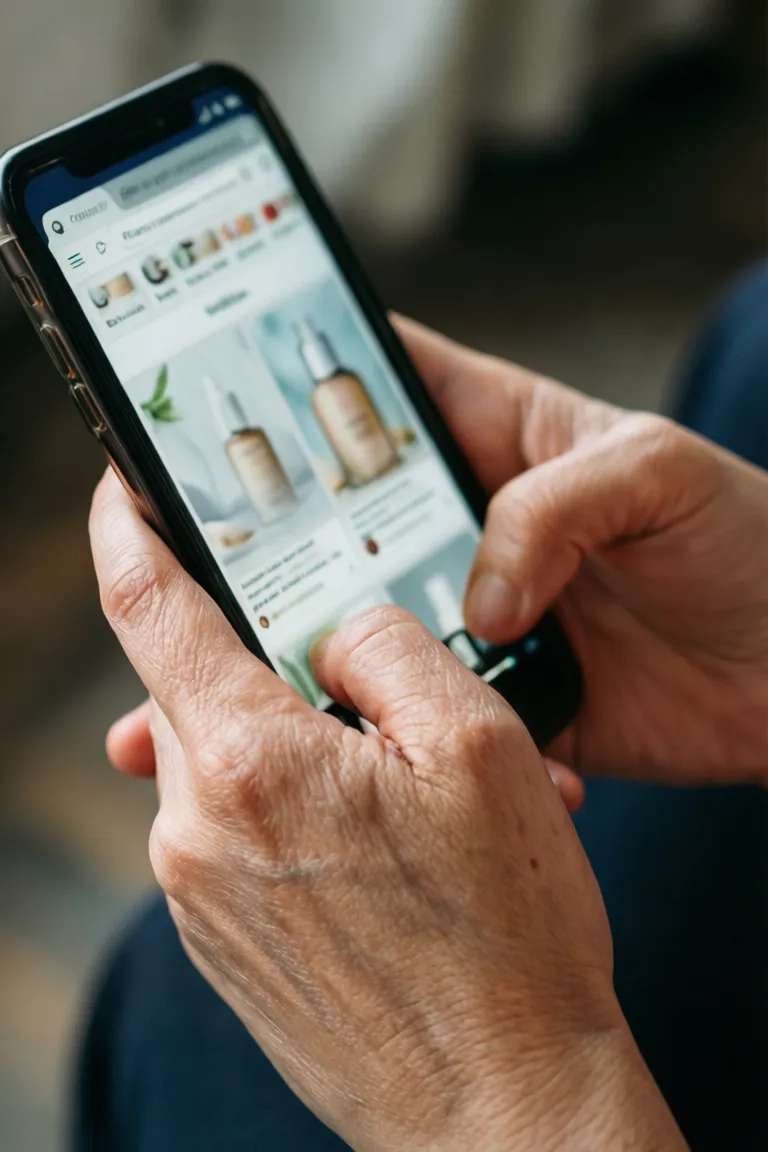
Let’s be honest: Amazon is magnetic. The promise of Prime shipping, the familiar one-click process, and the seemingly endless stream of reviews create a powerful psychological pull. After my initial panic, I defaulted to my comfort zone. I had the “Fulfilled by Amazon” listing in my cart. The price was good, delivery was set for two days, and the “Add to Cart” button was glowing. My finger hovered over the mouse. Convenience was about to win. I told myself, “It’s fulfilled by Amazon, how bad could it be?” But a nagging voice, the same one that makes me double-check the oven is off, made me pause and scroll. I started looking at the seller names: “BeautyDeals4U,” “HealthWarehouse_Global,” “Skincare_WholeSale.” None of them sounded like the official brand. Then I dove into the reviews, sorting by most recent. Buried among the 5-star ratings were one-star warnings that stopped me cold: “Texture is different from my last bottle,” “No batch code on the box,” “Package arrived with security seal broken.” These weren’t complaints about the product’s performance; they were red flags about the product’s legitimacy. Is Skinception on Amazon real or fake? The reviews suggested it was a gamble, and the house always wins.
Understanding the Third-Party Marketplace Model This is when I forced myself to understand how Amazon really works for products like this. I spent another thirty minutes reading articles and old forum explanations. Unless it’s sold by “Skinception” itself (which it wasn’t), you’re buying from a third-party seller using Amazon as a marketplace. These sellers often commingle their inventory in Amazon’s warehouses. That means a bottle from an authorized distributor could be stored right next to a bottle from a counterfeit operation, and the worker fulfilling your order grabs whichever is closest. You have no control over which one you receive. The perceived discount suddenly looked like the price of playing Russian roulette with my skincare. The psychological pull of saving a few dollars and getting it fast was strong, but the potential cost—receiving a fake, altered, or expired product—was a risk I ultimately couldn’t justify. That moment of hesitation, fueled by the fear in those authentic customer reviews, saved me from a potential disaster. I emptied my cart, feeling a mix of relief and renewed frustration. The easy path was closed.
Unpacking the Official Skinception Store: What I Found (and What Amazon Lacked)
After my Amazon scare, I navigated directly to the official Skinception store website, determined to give it the same skeptical eye. The difference was palpable, not just in aesthetics, but in substance. First, the messaging was clear: this was the source. The entire site felt curated, with high-quality images, detailed ingredient breakdowns, and transparent clinical information. The benefits were laid out in a way that spoke directly to my newly heightened fears. Direct-from-manufacturer wasn’t just a buzzword; it meant guaranteed freshness, rigorous quality control, and the exact formulation the clinical trials were based on. They prominently displayed their money-back guarantee and return policy—a stark contrast to the patchwork of third-party seller policies on Amazon, which ranged from “all sales final” to vague promises. I also found exclusive bundle deals that actually made financial sense, like getting a second bottle at a discount or pairing it with a complementary cleanser. These weren’t random markdowns; they were curated offers from the brand that added value, not suspicion.
The Tangible Value of Official Channels Most importantly, I found what was completely absent from the Amazon listing: accessible, dedicated customer support. There was a clear “Contact Us” for product questions, not just for shipping issues. This addressed the core of my anxiety—accountability. If something was wrong, I was dealing with the brand itself, not a faceless third-party seller who could vanish tomorrow. I learned how to verify authenticity using batch codes on the packaging, information provided openly by the official site. They even had a page explaining what to look for on the packaging itself. The Skinception official website vs Amazon review from my own perspective became crystal clear. One offered a transaction with potential hidden costs; the other offered a purchase with built-in assurances. The official store didn’t just sell me a product; it sold me confidence, which, as I was discovering, was an invaluable part of the anti-aging equation. Stress ages you, after all.
My Realization: The Hidden Costs of 'Saving' a Few Dollars on Skincare
Standing at the crossroads between the official store and Amazon, I had a profound realization over my morning coffee. This decision wasn’t just about price. It was about value, and more critically, about risk assessment. The “savings” on a marketplace like Amazon could come with enormous hidden costs that weren’t listed on the price tag. A counterfeit product isn’t just ineffective; it can contain harmful contaminants, incorrect concentrations of active ingredients, or substances not listed on the label. The risk of causing irritation, breakouts, or worse to my skin—skin I’ve spent decades caring for—was a price far too high to pay. Furthermore, an expired or improperly stored product loses its potency. I’d be paying for a placebo in a jar, wasting not just the purchase price but the precious weeks or months I’d spend applying it, expecting results that would never come. I’d then blame myself or the brand, not realizing the product itself was a fake.
Long-Term Goals vs. Short-Term Savings I thought about my long-term skincare goals: maintaining my skin’s health and integrity as I age. That requires trust in the products I use. Choosing a questionable source to save $20 would fundamentally undermine that goal. The value of peace of mind and brand accountability became a tangible, calculable part of the purchase. The official store offered a guarantee, both literally and figuratively. If the product wasn’t right, I had a path to recourse. If I had a question, I could get an answer. This realization reframed the entire experience. The slightly higher price at the official store wasn’t an expense; it was an investment in product integrity, my own safety, and my mental peace. It was the cost of removing anxiety from the equation, and for a meticulous person like me, that was worth every penny. I was no longer comparing dollars; I was comparing certainty against chance.
Navigating Different Purchasing Paths: A Realistic Comparison
Before I made my final choice, I wanted to lay out the options clearly, not just for me, but for anyone else in this confusing spot. Based on my deep dive, here’s how I came to see the different ways you can approach buying a premium skincare product like Skinception. This isn’t about good or bad, but about what’s right for your tolerance for risk and your skincare priorities.
| Purchasing Approach | Best For | Realistic Timeline for Results | Key Consideration |
|---|---|---|---|
| Marketplace Gambit (e.g., Amazon/Ebay) | Those prioritizing lowest upfront cost & fastest shipping. | Unpredictable (product may be ineffective or cause issues). | High risk of counterfeit, expired, or tampered products. Savings are often illusory. |
| Official Brand Store | Shoppers valuing guaranteed authenticity, support, and long-term skin health. | Consistent with clinical studies (typically 4-8 weeks with genuine product). | Higher initial price is an investment in safety, efficacy, and peace of mind. |
| Authorized Retailer (e.g., select pharmacies, dermatologist offices) | People who want to see/feel the product before buying. | Same as official store, if retailer is truly authorized. | Must verify retailer's authorization status directly with the brand to avoid fakes. |
| Subscription/Discount Beauty Boxes | Those open to trying many brands at a low cost. | Varies wildly; not a reliable path to a specific, consistent regimen. | You rarely get to choose the specific anti-aging product you want and need. |
Seeing it laid out like this made my choice obvious. My goal was real results from a real product, not just a cheap transaction. The “Official Brand Store” column spoke directly to my fears and my goals. It acknowledged the timeline and centered the consideration on what mattered most: my skin’s safety.
Scientific Evidence
My Confident Choice: How I Finally Bought Skinception Without Regret
Armed with my research and my new understanding of value, my choice became effortless. I closed my Amazon tabs and completed my purchase directly through the official Skinception store. The process was straightforward and, frankly, anti-climactic in the best way. I selected the bundle that suited my needs, applied a promotional code I found on their site (a legitimate one from their newsletter sign-up, not a shady “90% off” coupon from a random forum), and checked out. I received an order confirmation immediately, followed by a shipping notification with tracking a day later. When the package arrived a week after that, the first thing I did was inspect it like a forensic analyst. The packaging was pristine, the box sturdy, the security seal intact and crisp. I located the batch code, etched clearly on the bottom of the jar, and felt a surge of relief so physical I laughed out loud. This was it. The genuine article. The anxiety of the hunt was replaced by the quiet confidence of a decision well-made.
Empowering Myself and Others The experience transformed me from a confused and anxious consumer into an empowered one. My experience buying Skinception online taught me a universal lesson for premium skincare purchases. Now, I look for the same hallmarks I found with Skinception: a clear official store presence, transparent policies, and direct customer support channels. I keep the packaging of my first authentic order to compare textures and smells against any future purchases. The anxiety I felt at the beginning of this journey has been replaced by a confident methodology. I finally bought Skinception without regret, not just because I believed in the product, but because I trusted the source. And in the world of online shopping, that trust is the most powerful anti-aging ingredient of all. It takes the worry out of the process, and that’s a result you feel immediately.
The Aftermath: What Happened After My Purchase (The Real Results)
A quick postscript to my story, because I know you’re wondering. After three weeks of using the authentic product from the official store every single night, I can confidently say the journey was worth the diligence. The cream had the rich, velvety texture and subtle, clean scent described in genuine reviews. It absorbed beautifully into my skin without any irritation or greasy residue. More importantly, I used it with absolute peace of mind. I wasn’t lying awake wondering if I was applying a fake formula. Around the four-week mark, I noticed my skin felt consistently more hydrated and looked a bit more even-toned in the mirror. It wasn’t a miracle erase, but a gradual, believable improvement. When I had a minor question about layering it with my vitamin C serum in the morning, I emailed the official customer support and received a helpful, personalized response within a day. This post-purchase experience solidified everything I learned. The relationship with a brand doesn’t end at checkout; it’s just beginning. By choosing the official channel, I ensured that relationship was real, supported, and accountable. That, ultimately, is why I chose the official Skinception store over Amazon, and it’s a decision I’ve never second-guessed. The confidence I gained was worth more than any fleeting discount. I also learned that sometimes, seeking professional advice is key, and I'm glad I eventually found a dermatologist recommended anti wrinkle cream that complements my routine.
Frequently Asked Questions
Q: Is it really unsafe to buy Skinception from Amazon? A: It’s not universally unsafe, but it carries a significant and unnecessary risk that I wasn’t willing to take. Amazon’s commingled inventory system for third-party sellers means you cannot guarantee the bottle you receive is sourced from an authorized distributor. You might get a real product, or you might get a counterfeit, expired, or tampered-with one. For a product you apply to your face daily, that gamble isn’t worth the potential savings. The official store eliminates this risk entirely, which for me, was the whole point.
Q: What are the specific, tangible signs of a fake Skinception product I should look for? A: Based on my research and the details I now know from my authentic jar, red flags include: a price dramatically lower (like 40%+) than the official site, blurry or misspelled text on the packaging, a missing or poorly stamped batch code/lot number, a broken, missing, or flimsy security seal on the jar, and a product texture or smell that seems “off” (e.g., too runny, too stiff, separated, or having a strong, artificial chemical odor). When in doubt, compare directly to high-resolution images and detailed descriptions on the official website.
Q: Does the official Skinception store ever have real sales, or is it always full price? A: Yes, absolutely. During my purchase process, I found the official store offered legitimate bundle deals (like buy-one-get-one-half-off or curated skincare sets) and occasional site-wide promotions. These are transparent, brand-sanctioned discounts that provide better value without compromising authenticity. Signing up for their newsletter is a safe way to be notified of these real sales, unlike the pervasive “discount codes” plastered on questionable review sites, which often lead to scammy third-party pages.
Q: What if I have a problem with my order from the official store? Who do I talk to? A: This was a key differentiator for me. The official store has a dedicated customer service team for product and order issues. They honor their stated money-back guarantee and return policy. In my case, a simple email was answered promptly and helpfully by a person who knew the product line. This direct line to the brand provides accountability that is often missing when dealing with a third-party Amazon seller, whose primary concern might be just the transaction, not your satisfaction or safety.
Q: I already bought from Amazon and I’m worried. How can I check if my product is authentic? A: First, don’t panic, but do inspect the packaging meticulously for the signs mentioned above. Check the batch code and see if it looks professionally etched. Examine the product’s consistency and scent against the official descriptions. If anything feels suspicious, discontinue use immediately. Your safest course of action is to contact the Amazon seller directly to raise your concerns, and ultimately, consider purchasing your next bottle from the official source. Having a genuine product on hand is the best baseline for comparison. Trust your gut—if it feels wrong, it probably is. For those interested in targeted solutions, I've also explored firming skin treatment for women over 40, and it's important to ensure authenticity there too. And if you're wondering why do I get wrinkles even though I use good skincare, authenticity is often a hidden factor.
📌 Love this guide? Save it on Pinterest!
Pin My Skinception Scam Scare: Official Store vs. Amazon in 2026 to your board so you can come back to it later.

