
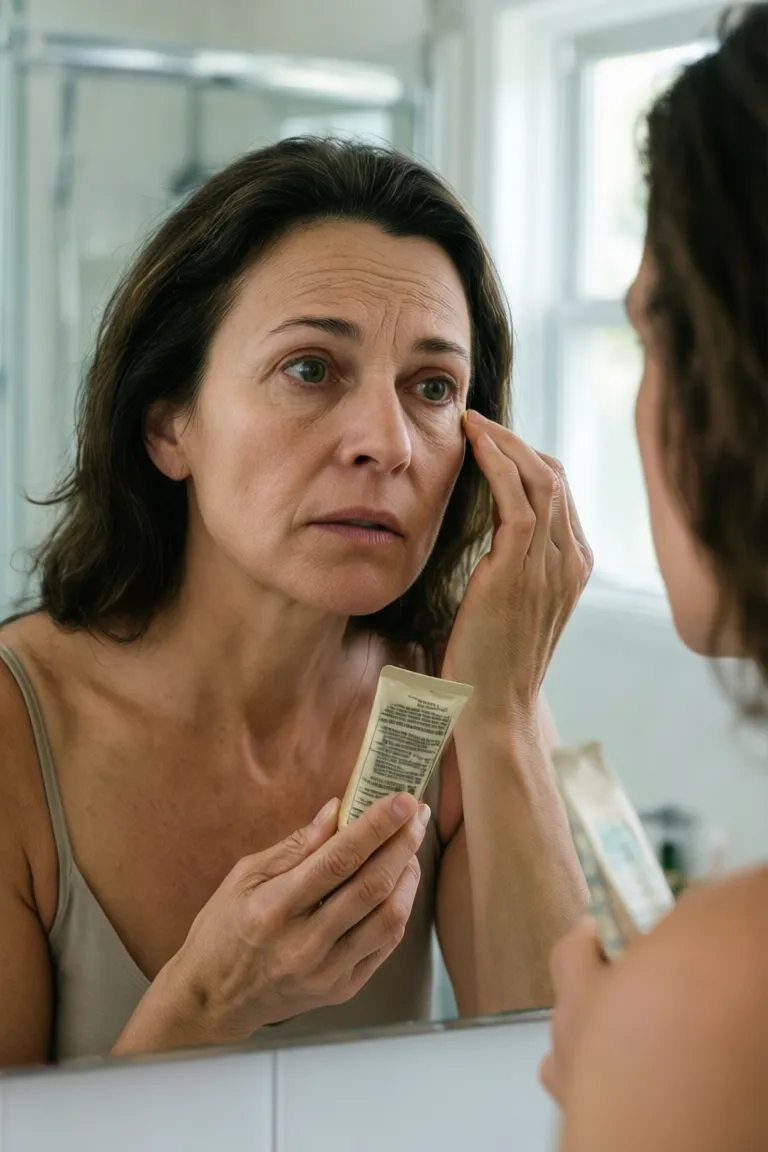
I was staring at my reflection in the harsh bathroom light, tracing the fine lines around my eyes that seemed to have deepened overnight. At 48, I’ve never been one to chase the fountain of youth, but I am meticulous. I’ve spent years, and frankly, a small fortune, researching ingredients, understanding my skin’s needs, and building a routine that works. So when I decided to finally try Skinception, a product that kept popping up in my research for its targeted approach, I assumed the hardest part was over. I was wrong. The real battle wasn’t deciding if to buy it, but where. The moment I typed “Skinception” into Amazon’s search bar, I was plunged into a vortex of conflicting listings, suspiciously low prices, and a gut-churning fear that I was about to waste my money—or worse, smear a counterfeit product full of who-knows-what onto my carefully curated skin. That fear, that feeling of being one click away from a scam, is what led me down this rabbit hole. This is my story of navigating the murky waters of online skincare purchases, and the hard-won lessons I learned about authenticity, trust, and where to safely buy Skinception online.
My Skincare Journey: Why Skinception Caught My Eye (and My Skepticism)
For over two decades, my bathroom cabinet has been a living archive of skincare trends. I’ve seen it all come and go. What drew me to Skinception wasn’t a flashy influencer ad, but a slow-building curiosity from reading dermatologist blogs and ingredient deep-dives. As someone who understands the science behind retinoids and peptides, the formulation seemed to speak my language. It promised a targeted approach, and in my late 40s, “targeted” is the only word that matters anymore. My skin wasn't just aging; it was changing. The old rules didn't apply, and I needed something that felt like it was designed for this specific chapter, not a one-size-fits-all solution from a decade ago. My skepticism, however, is my oldest skincare companion. I’ve been burned by overhyped products before, where the only result was a lighter wallet and a dust-collecting bottle on the shelf. The cost consideration was real, too. This wasn’t a drugstore impulse buy; it was an investment. I wrestled with the price tag for weeks, trying to balance the potential efficacy against my budget, a dance every woman my age knows all too well. I finally decided that if this could truly deliver on its promises for my specific concerns—those stubborn lines and a loss of firmness I was starting to notice along my jawline—it would be worth it. But that decision opened a new, more stressful door: the purchasing dilemma. My initial relief at making a choice quickly evaporated into the anxiety of where to actually hand over my credit card details. It felt like I’d finally picked the perfect medicine, only to find the pharmacy shelves were a confusing mess of look-alike bottles. The trust I was willing to place in the product’s science was immediately undermined by the murky world of online retail.
The Amazon Rabbit Hole: Red Flags and Confusing Listings I Encountered
My first instinct, like most people’s, was to check Amazon. Convenience is a powerful lure. What I found was a bewildering maze that left me feeling more like a forensic accountant than a hopeful skincare customer. There wasn’t one “Skinception” listing; there were dozens, all with slightly different titles, prices, and seller names. This was my first major red flag. I started digging, and the warning signs piled up. I learned to scrutinize the “Ships from” and “Sold by” information like my skin’s health depended on it—because, in my mind, it did. Some listings were “Fulfilled by Amazon,” which sounds official but, as I discovered, just means Amazon handles the shipping from a third-party seller’s stock—stock that could be fake, expired, or stored in a sweltering warehouse. The psychological impact of the price discrepancies was intense. Seeing a product listed for $29.99 right next to one for $69.99 for the same item created instant distrust and decision paralysis. Which one was real? Was the expensive one a rip-off, or was the cheap one a dangerous fake? I spent an entire evening clicking back and forth, my confidence eroding with each comparison.
I fell into the trap of reading reviews, only to find a war zone of conflicting reports. Some users raved with generic praise that felt copied and pasted, while others claimed the product was watery, smelled “chemically,” or did nothing—classic hallmarks of counterfeit goods. I realized Amazon’s return policy, while generally good, offered little comfort for skincare. Returning a fake bottle is easy, but the thought of what a counterfeit cream—with unregulated, potentially harmful ingredients—could do to my skin in the meantime was terrifying. The peace of mind was simply not there. This wasn’t about returning a defective phone charger; this was about the only face I have.
Understanding 'Sold by' vs. 'Fulfilled by Amazon'
This distinction became the cornerstone of my anxiety. A listing “Sold by Amazon.com” theoretically means Amazon is the source, offering a sliver more safety. But in my searches, these were rare. Far more common were listings “Sold by [RandomSellerName] and Fulfilled by Amazon.” Here, Amazon is just the warehouse and shipper; the product source is a complete unknown. That seller, with a name like “BeautyDeals4U,” could have sourced the product from anywhere, with no verifiable chain of authenticity. For a skincare product I intended to absorb into my skin, this was an unacceptable risk. The lack of direct accountability felt like a gamble with my face as the stakes.
The Psychological Impact of Price Discrepancies and Fake Reviews
The wildly varying prices did more than confuse me; they made me feel vulnerable and foolish. Was I a sucker for considering the higher-priced option? Or was I being reckless by considering the cheaper one? This emotional turmoil is something most comparison articles completely ignore. Furthermore, I grew adept at spotting likely fake reviews—the overly generic five-star praise (“Great product! Fast shipping!”) that said nothing about the product itself, and the one-star rants that focused solely on a dented box or slow delivery. The genuine, detailed reviews from people like me, discussing texture and results, were buried in the noise. This entire experience felt less like shopping and more like exhausting detective work, and I was losing faith by the minute.
Why I Ultimately Chose the Official Skinception Store (and What I Learned)
After a week of obsessive tab-switching between Amazon and the official Skinception website, my cursor hovering over both “Add to Cart” buttons, I made my choice. I took a deep breath, closed the Amazon window, and clicked “checkout” on the official store. The decision boiled down to one thing: guaranteed authenticity. The peace of mind factor was worth every potential penny saved elsewhere. I understood that with the official site, I was getting a product directly from the brand’s own supply chain. This meant it was stored correctly, was within its fresh expiration date, and was the exact formula the chemists intended—not a diluted, altered, or contaminated imitation.
I dug into their official return policies and customer support, finding clear contact information and a satisfaction guarantee that felt legitimate, not like a loophole-ridden maze designed to discourage returns. There was a real address and a promise that stood behind the product, not just a marketplace’s generic policy. I also discovered exclusive offers, like a sensible subscription discount and a welcome email with actual usage tips, directly from the brand that Amazon resellers couldn’t offer. But the most profound lesson was understanding the true cost of “saving” a few dollars. A fake product isn’t just a waste of $30. It’s potential skin irritation, a painful allergic reaction, a setback in my skincare progress by months, wasted time dealing with returns, and the profound emotional frustration of a failed experiment. The “savings” suddenly looked like a very bad gamble against my well-being. Buying from the official source was an investment in certainty, and for my skin—the skin I have to live in every single day—that was non-negotiable.
It’s easy to get caught up in the allure of a lower price, but the true value lies in the integrity of the product. When you are investing in your skin’s health, authenticity should always be the priority.
The Real Cost Comparison: Convenience vs. Certainty
In the midst of my dilemma, I realized I needed to compare not just prices, but the entire value proposition of each purchasing path. This wasn't a simple "which is cheaper?" question. To help clarify my own thinking, I made a mental table comparing the core approaches to buying a premium skincare product like Skinception online. Seeing it laid out like this was what finally pushed me off the fence.
| Purchasing Approach | Best For | Realistic Risk Level | Key Consideration |
|---|---|---|---|
| Official Brand Website | Those prioritizing guaranteed authenticity & safety | Very Low | Highest upfront confidence; direct customer support and fresh batches. |
| Major Retailer (e.g., Amazon, Walmart.com) | Shoppers valuing extreme convenience & fast shipping | Moderate to High | Authenticity is a gamble; depends entirely on the specific third-party seller. |
| Authorized Retailer (e.g., select dermatology sites) | People wanting a balance of trust & possible bundling | Low | Must be verified on brand's official "Where to Buy" page; not all are legitimate. |
| Unauthorized Sellers (eBay, random discount sites) | Those chasing the absolute lowest price | Extremely High | High likelihood of counterfeit, expired, or tampered goods; no chain of custody. |
Looking at this breakdown, I saw my own fears reflected. I was not a person chasing the lowest price at any cost. I was someone who had spent years building skin health, and that foundation was too valuable to risk on a "Moderate to High" gamble. The "Key Consideration" for the official site—"Highest upfront confidence"—was exactly the medicine my anxiety needed.
Beyond the Purchase: My First Impressions and What to Expect from Authentic Skinception
The package arrived in a plain box, but opening it felt reassuringly professional. There was no flashy, over-the-top packaging, which I actually appreciated—it felt serious and focused on the contents. The product packaging itself was pristine—no smudged labels, no flimsy cardboard. The serum bottle had a secure, tamper-evident seal that gave a satisfying snap when I opened it for the first time. The textures upon first application were exactly as described in the few legitimate, detailed reviews I’d managed to find: rich and emollient without being greasy, with a subtle, clean, almost clinical scent. There was no overwhelming perfume, no chemical odor, no strange separation in the liquid. This initial sensory experience was a huge relief; it confirmed my choice in a way no website guarantee could. My skin drank it in without any tingling or redness, which told me the formulation was balanced and as expected. What to do when collagen skincare products aren’t working on my face can be a frustrating experience, but starting with authentic ingredients makes all the difference.
I’m now several weeks into using the authentic product, and while I know true skincare results take patience, the process itself feels correct and consistent. I’m managing my expectations for results and timelines, understanding that my collagen doesn’t regenerate overnight. At the four-week mark, I’m starting to see a subtle but noticeable improvement in my skin’s overall plumpness and hydration. The fine lines around my eyes look a bit softer in the morning light, not erased, but less pronounced. The journey feels honest, which is a direct result of starting with a genuine product. I also felt prepared for potential side effects because I had access to the brand’s official usage guidelines—start slowly, use sunscreen—not the conflicting, often alarmist advice from a hundred different Amazon Q&A answers. The value of buying authentic extended far beyond the bottle; it came with the confidence that I was using the product as intended, on a timeline that made biological sense.
Unboxing and Product Packaging: What Authentic Skinception Looks Like
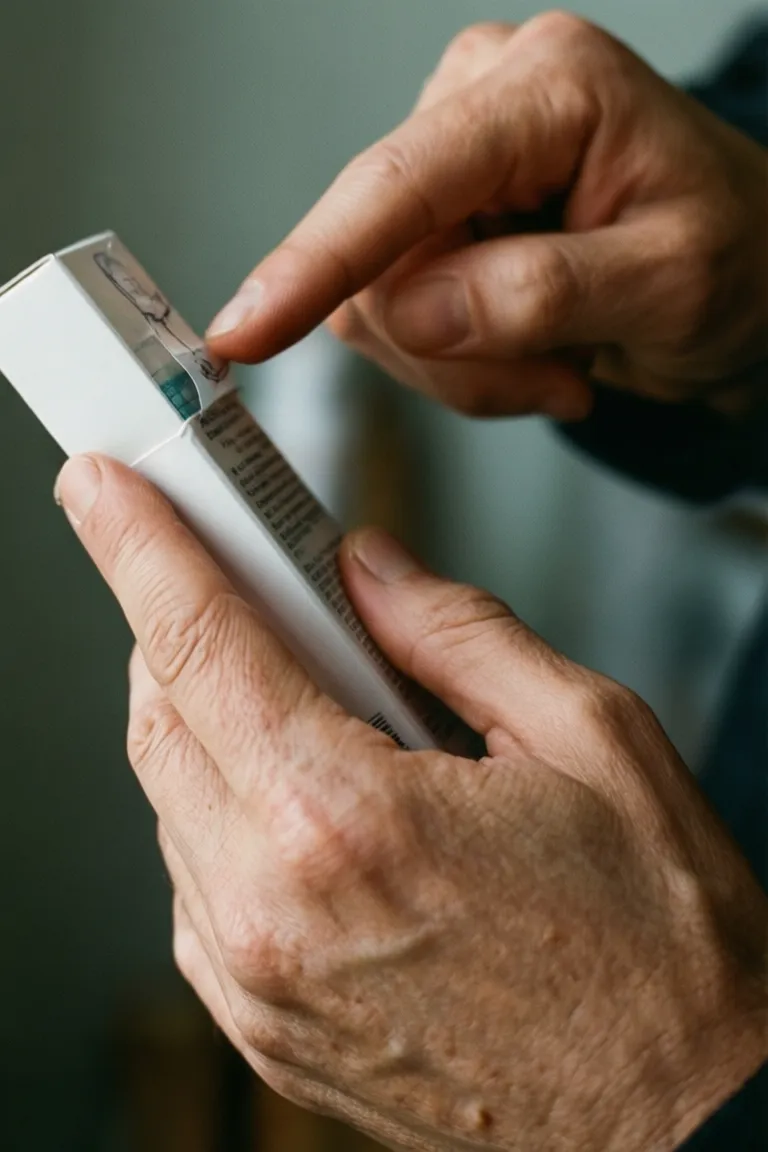
The authenticity was in the details I’d learned to look for: crisp, perfectly aligned printing on the label with no bleeding colors. A clear, embossed lot number and expiration date were stamped on the bottom of the box, not just printed. The instructions inside were on thick, matte paper, folded neatly, in clear, legible English. This attention to detail is often the first thing counterfeiters get wrong—they cut corners on packaging. Holding the real product, the quality was tactile and immediate; it felt substantial and well-made, not cheap and lightweight.
Realistic Expectations for Results and Timelines
From the official website’s information and my own experience with similar ingredients, I knew not to expect a miracle in a week. Authentic skincare is about gradual, cumulative improvement. The brand suggested noticeable changes could take 8-12 weeks of consistent use, and that aligned with everything I knew about skin cell turnover. This realistic framing prevented the disappointment that fuels so many negative reviews. When I noticed a slight improvement in texture at week four, it felt like a win, not a failure because I wasn’t “perfect.” It confirmed I was on the right path. Skinception review from someone who used affordable products can offer valuable insights, but authenticity is paramount.
Scientific Evidence
The Emotional Aftermath: Trust Restored and Lessons Cemented
A surprising thing happened after my package arrived: the anxiety didn't just vanish, it was replaced by a quiet sense of empowerment. I had navigated the murkiness and made a choice that honored my standards. That week of stress became a lesson I now carry into every online purchase, especially for things that go on or in my body. I learned that my instinct to prioritize safety over convenience or a minor discount wasn't paranoia—it was wisdom. The relief of knowing, without a shadow of a doubt, that I was applying the real thing to my skin was profoundly calming. It transformed the ritual of my nightly skincare from an act of hope into an act of trust. I was no longer wondering, "Is this even real?" I was simply observing, "How is my skin responding today?" That shift in mindset, from detective to participant, was the greatest unexpected benefit of buying from the official source. Restore skin elasticity after 40 naturally is achievable with consistent, authentic care.
Don't Make My Mistake: Your Guide to Safely Buying Skinception Online
If my anxiety-filled journey can save you time, stress, and protect your skin, then sharing it is worth it. Here is my distilled, actionable advice, hard-won from my week in the online shopping trenches.
First, create a mental (or actual) checklist for verifying official retailers. The gold standard is always the brand’s own website—bookmark it. If you consider other sites, do not take their word for it; ensure they are explicitly listed as “authorized retailers” on the brand’s official “Where to Buy” page. If they're not listed there, assume they are not authorized. Be perpetually, stubbornly wary of “too good to be true” deals. If the price is drastically lower than the official site—we’re talking 40% or more off—it almost certainly is. No legitimate business sells at a consistent, massive loss.
Learn the importance of batch codes and expiration dates; authentic products always have them clearly printed or stamped, not smudged or missing. If you’re ever in doubt, you can often verify a batch code with the brand’s customer service—a service they only provide for their genuine products. Most importantly, empower yourself. If you see a suspicious seller on a marketplace with blurry photos and copied descriptions, report them. Your vigilance protects others from the same fear and risk. Dupilumab treatment improves signs, symptoms, quality of life, and work productivity in patients with atopic hand and foot dermatitis: Results from a phase 3, randomized, double-blind, placebo-controlled trial highlights the importance of effective treatments for skin conditions.
My Skinception purchase dilemma taught me that in the world of online skincare, the safest place to buy Skinception is almost always the path of least confusion: straight from the source. Don’t let the illusion of convenience or a minor discount lure you into a risk that your skin doesn’t deserve. The peace of mind that comes with authenticity is the most valuable ingredient of all, and it’s one you can’t find in any third-party seller’s listing.
Frequently Asked Questions
Q: Is Skinception on Amazon real, or should I avoid it completely? A: Based on my intense research and stressful experience, I would advise extreme caution. While it's possible a legitimate seller operates there, the platform is flooded with third-party sellers where authenticity is impossible for you, the customer, to guarantee. The risk of receiving a fake, watered-down, or expired product is high. For complete peace of mind and guaranteed authenticity—especially for a product you apply to your face daily—the official store is the only source I can personally recommend without reservation.
Q: How can I tell if a Skinception product I already bought from another site is authentic? A: Start with a detailed inspection. Authentic packaging has crisp, professional printing with no spelling errors or color bleeds. Look for a secure, tamper-evident seal on the bottle (not just shrink wrap). There should be a clear, stamped (not just printed) batch code and expiration date on the box. The product itself should have a consistent texture and a mild, clean scent. If it smells strongly chemical, is watery, or causes immediate irritation, these are major red flags. When in doubt, contact Skinception’s official customer service with photos and the batch code; they are your best resource for verification.
Q: What’s the biggest downside of buying from the official website vs. Amazon? A: Honestly, it’s the waiting and the lack of “Prime” instant gratification. The official website sometimes has standard shipping times, so you might not get it in two days. You also might not find the same flash-sale deep discounts. However, what you gain is immeasurable: certainty. You are trading a potential small saving or a day or two in delivery for the absolute confidence that you are applying the real, effective, and safe formula to your skin. For me, that trade-off is a no-brainer.
Q: I’m worried about side effects. Is Skinception safe for sensitive skin? A: As with any potent skincare product, especially one with active ingredients, a patch test is non-negotiable, particularly for sensitive skin. Apply a small amount behind your ear or on your inner arm for a few days. The authentic product from the official store comes with clear, conservative usage instructions (often suggesting starting every other night) to minimize irritation. This allows your skin to acclimate. Remember, counterfeit products pose a much higher, unknown risk of adverse reactions due to unregulated and potentially harmful ingredients, so starting with a genuine product is your first and best safety step.
Q: How long does it take to see real results with Skinception? A: Managing expectations is key to avoiding disappointment. Authentic skincare works with your skin’s biology, not against it. From my experience and the official guidance, you may notice improved texture and hydration within 2-4 weeks, but more significant results for the appearance of lines and firmness typically take a consistent 8-12 weeks of daily use. Skin cell turnover takes time. Patience and consistency with a genuine product are far more effective than jumping from product to product based on impatience.
Q: What if I see Skinception on a site like eBay or a random "discount beauty" website? A: The same red flags apply, often amplified. Unless the seller is explicitly listed as an authorized retailer on Skinception’s own website, consider them an unauthorized third-party seller. The risk of counterfeit goods is significantly high on these marketplaces. The chain of custody is completely opaque. For a premium skincare product, it’s simply not worth the gamble. The few dollars saved could cost you dearly in skin health and frustration.
📌 Love this guide? Save it on Pinterest!
Pin Skinception: Official Store vs. Amazon - My 2026 Scam Avoidance Story to your board so you can come back to it later.

